Tag: Hardtails

  • What is an Aggressive Hardtail?

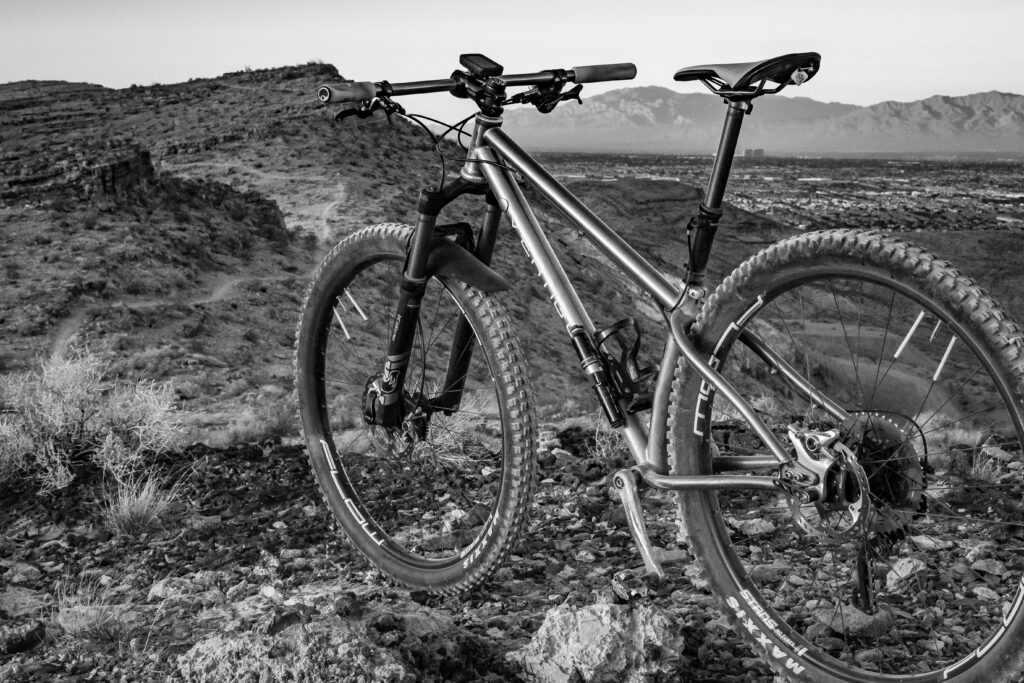
    You’ve probably seen them at the bike park or trail centre. Hardtails that look like they’ve been designed by someone who thinks regular trail bikes are far too sensible. Long travel forks, slack head angles, burly frames, and an attitude that says “I can take whatever you throw at me.”

    Welcome to the world of aggressive hardtails. They’re brilliant, slightly mad, and not for everyone. Let’s dig into what makes them special.
    The Basic Definition

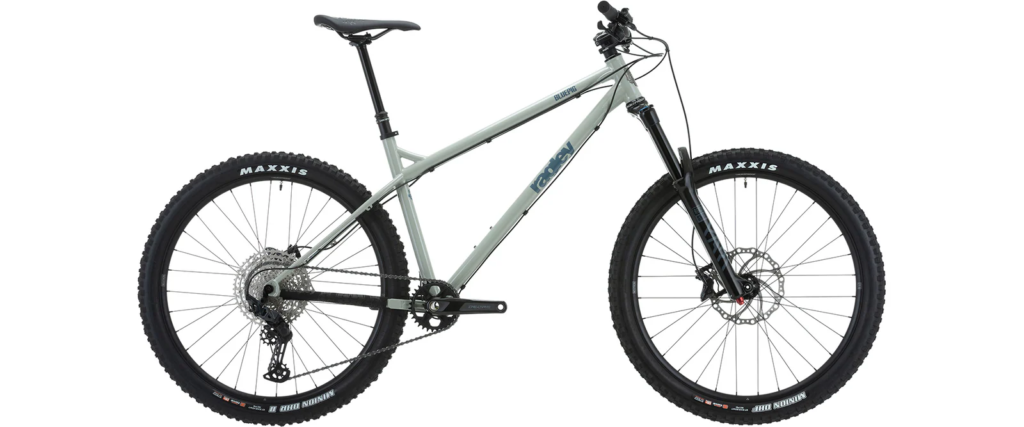
    An aggressive hardtail is essentially a hardtail mountain bike that’s been designed to handle terrain you’d normally reserve for full-suspension bikes. We’re talking 140-160mm of front suspension travel, slack geometry (think 65-67° head angles), and construction that’s built to take a proper beating.

    They sit somewhere between regular trail hardtails and full-suspension enduro bikes. Too burly for your average XC loop, too much fun to ignore if you like rough, technical trails.

    Why Would Anyone Want One?

    Fair question. After all, if you’re riding gnarly terrain, wouldn’t full suspension make more sense?

    The Case For Aggressive Hardtails:

    They’re Engaging – Every rock, root, and drop demands your attention. You can’t just point and shoot like you might on a full-suspension bike. This makes them brilliant for improving your skills and keeping rides interesting.

    Proper Value – A £2,000 aggressive hardtail will have components that would cost £3,500-4,000 on a full-suspension bike. You’re getting high-end forks, decent drivetrains, and quality wheels without the suspension tax.

    Low Maintenance – No rear shock to service, no linkage bearings to replace, no suspension tune to obsess over. Just clean it, lube the chain, ride it hard.

    They Climb Surprisingly Well – Despite the slack geometry and long travel, the rigid rear end means all your power goes to the rear wheel. They’re not XC race bikes, but they’ll get you to the top without too much suffering.

    Character – There’s something wonderfully pure about riding a hardtail down terrain it has no business being on. It’s engaging in a way that modern full-suspension bikes sometimes aren’t.
    What Makes Them “Aggressive”?

    Several key features separate aggressive hardtails from their more civilised trail bike cousins:

    Long Travel Forks

    We’re talking 140-160mm here, sometimes even 170mm on the really rowdy ones. Compare that to 100-120mm on a regular trail hardtail. This extra squish helps absorb the big hits on rough descents.

    The trade-off? They’re heavier and bob a bit more when climbing. But if you’re buying an aggressive hardtail, you’ve already decided descending matters more than XC race times.

    Slack Head Angles

    While trail hardtails typically run 67-69° head angles, aggressive hardtails go slacker. Think 65-67°, sometimes even less. This pushes the front wheel further out, creating stability at speed and confidence on steep terrain.

    The downside is they can feel a bit ponderous in tight switchbacks. Horses for courses.

    Longer Reach

    Modern aggressive hardtails have grown in reach. Medium frames often measure 450-470mm, with larges pushing 480-500mm. This stretched-out position provides stability on descents and room to move around on technical terrain.

    If you’re used to shorter, more compact geometry, they’ll feel quite different at first.

    Lower Bottom Brackets

    A lower centre of gravity aids stability, so aggressive hardtails often drop the bottom bracket compared to XC bikes. This helps confidence on rough terrain, though it does mean you’ll clip pedals on roots and rocks if you’re not paying attention.

    Burly Construction

    These bikes need to handle impacts that would make a regular trail hardtail weep. Thicker tubing, reinforced areas around the head tube and dropouts, and generally overbuilt frames are the norm.

    This adds weight (most sit around 13-15kg complete), but that’s the price of durability.

    Wheel Size Choices

    Whilst 29″ wheels dominate modern trail bikes, aggressive hardtails often run 27.5″ wheels. The smaller diameter provides better manoeuvrability in technical terrain and makes it easier to get the bike airborne.

    That said, plenty of aggressive 29ers exist. Some riders prefer the rollover and traction benefits even on rowdy hardtails.

    Popular Aggressive Hardtail Models

    Budget-Friendly Options (£1,000-£1,800)

    Vitus Sentier VR (£1,400-£1,600) – Cracking value with 140mm fork, slack geometry, and dropper post. A brilliant entry point to aggressive hardtails without breaking the bank.

    Nukeproof Scout 275 Comp (£1,500) – 140mm travel, proper geometry, Nukeproof’s reputation for building burly bikes. Hard to fault at this price.

    Ragley Marley (£1,400-£1,700) – British brand with a cult following. Playful geometry, 140mm travel, and bags of character.

    Mid-Range Mayhem (£1,800-£2,500)

    Cotic BFe (£2,000-£2,500) – Steel frame with brilliant ride quality. Available in different builds, all with 150mm forks and slack geometry that’s been refined over years.

    Ragley Big Wig (£2,000-£2,300) – 160mm travel, 27.5″ wheels, designed for proper rough stuff. Playful geometry that rewards aggressive riding.

    Nukeproof Scout 275 Expert (£2,200) – Step up from the Comp with better fork, dropper, and components. Excellent package.

    Premium Punishment (£2,500+)

    Pipedream Moxie (£2,500-£3,500) – Boutique British brand. Steel or titanium frame options, 150mm travel, geometry that’s been honed on Yorkshire trails.

    Cotic SolarisMAX (£3,000+) – The rowdier big brother of the BFe. 160mm travel, designed for bike parks and gnarly natural terrain.

    Chromag Wideangle (£2,800-£3,500) – Canadian-built, proper burly, cult following. Available in steel or aluminium.

    Who Should Buy an Aggressive Hardtail?

    These bikes aren’t for everyone. Here’s who they suit best:

    Experienced Riders – You need decent bike handling skills. An aggressive hardtail will expose poor technique faster than you can say “medical insurance.”

    Technical Trail Enthusiasts – If your local trails are rocky, rooty, and steep, these bikes excel. Smooth flow trails? Less so.

    Bike Park Regulars – Brilliant for blue and red trails at bike parks. You can session jumps, ride rough terrain, and have a blast without the weight and complexity of full suspension.

    Skill Builders – Want to become a better rider? An aggressive hardtail will teach you line choice, body positioning, and bike control faster than any full-suspension bike.

    Budget-Conscious Shredders – Get high-end components and capable geometry for significantly less than full suspension.

    People Who Like Character – If you want a bike that feels alive and demands engagement, these deliver in spades.

    Who Should Probably Look Elsewhere?

    Beginners – Start with a regular trail hardtail or full suspension. These bikes amplify mistakes.

    Comfort Seekers – Your back and arms will know you’ve been riding. If comfort trumps engagement, get full suspension.

    Pure XC Riders – These bikes climb fine but aren’t designed for racing. Get a proper XC hardtail instead.

    Mostly Smooth Trails – If your local riding is predominantly flow trails and gentle descents, you’re carrying extra weight and travel for no benefit.

    Aggressive Hardtail vs Full Suspension

    The eternal question. Here’s the honest comparison:

    When the Hardtail Wins

    • Value: Better components for your money
    • Simplicity: Less maintenance and fewer things to break
    • Engagement: More involving, teaches better skills
    • Climbing: More efficient power transfer
    • Weight: Lighter for similar component spec

    When Full Suspension Wins

    • Big Hits: Rear suspension absorbs impacts your body would otherwise take
    • Traction: Keeps the rear wheel planted on rough climbs and descents
    • Speed on Rough Terrain: Faster through technical sections
    • Comfort: Less physical beating over long rides
    • Confidence: More forgiving of mistakes

    The verdict? Neither is objectively better. It depends on your riding style, local terrain, and what you value in a bike. Some riders (myself included) own both because they excel at different things.

    Key Considerations Before Buying

    Your Local Terrain

    Be honest about where you actually ride. If your trails are mostly smooth with occasional rough sections, an aggressive hardtail might be overkill. But if you’re surrounded by rocks, roots, and steep technical trails, they make perfect sense.

    Your Skill Level

    These bikes reward good technique and punish poor form. If you’re still learning basics like body position and line choice, a more forgiving bike might serve you better initially.

    Intended Use

    Bike parks: Brilliant choice for blue and red trails

    Natural technical trails: Where they really shine

    XC loops: They’ll do it but won’t be quickest

    Bikepacking: Some models (particularly steel frames) work well

    Commuting: Massively overkill but I won’t judge

    Frame Material

    Aluminium – Most common, good value, stiff, durable. The default choice.

    Steel – Smoother ride, more compliance, easier to repair, heavier. Popular with riders who value feel over outright performance.

    Titanium – Best ride quality, light, indestructible, expensive. Boutique option for those with deep pockets.

    Component Priorities

    With aggressive hardtails, spend your money where it matters:

    Fork is Critical – This is your only suspension. Don’t cheap out. Aim for at least RockShox Yari, Fox 36, or equivalent. The fork often represents 25-30% of the bike’s value.

    Brakes Matter – You’ll be going fast down rough stuff. Get 4-piston hydraulic brakes with 180-200mm rotors up front.

    Dropper Post Essential – Non-negotiable on these bikes. You need to get your weight back on descents.

    Tyres Make a Difference – Aggressive tread patterns and strong casings. Budget £60-80 per tyre for quality rubber.

    Drivetrain Can Be Mid-Range – Shimano Deore or SRAM NX work fine. Save money here to spend on fork and brakes.
    Common Questions

    Q: Can I use it for trail centres and normal riding? A: Absolutely. They’re versatile bikes. You’ll just be carrying a bit more weight and travel than strictly necessary on easier trails.

    Q: How much harder is it than full suspension on rough trails? A: You’ll be 5-10% slower on really rough descents and you’ll feel more impacts. But many riders find the engagement worth it.

    Q: What about jumps and drops? A: They handle jumps brilliantly. Drops are fine if your technique is sound, though full suspension is more forgiving of rough landings.

    Q: Will I break it? A: These bikes are built tough. Ride within your limits, maintain it properly, and it’ll handle more than you think.

    Q: Should I get 27.5″ or 29″ wheels? A: 27.5″ for maximum playfulness and manoeuvrability. 29″ for better rollover and traction. Both work well. Test ride if possible.

    Q: Can I add a rear shock later? A: No. Buy full suspension if you want full suspension. Hardtail frames can’t be converted.

    Setting Up Your Aggressive Hardtail

    Tyre Pressure

    Run lower pressures than on a trail hardtail since you don’t have rear suspension. Start around 23-25 PSI rear, 20-23 PSI front (adjust for rider weight), and fine-tune from there. Too high and you’ll be bouncing everywhere. Too low and you’ll pinch flat.

    Tubeless is basically mandatory.

    Saddle Height

    When descending, you’ll be dropping the saddle significantly. Make sure your dropper has enough drop. For aggressive terrain, 150-170mm is ideal depending on your height.

    Handlebar Width

    Wider is generally better for control on rough terrain. 760-800mm is common, though personal preference varies.

    Suspension Setup

    Take time to properly set up your fork. Get sag right (25-30% for aggressive riding), adjust rebound, and use volume spacers if needed. A poorly set up fork makes these bikes harsh. A properly tuned fork transforms them.

    The Bottom Line

    Aggressive hardtails occupy a unique space in mountain biking. They’re not the fastest, not the most comfortable, not the most forgiving. But they’re engaging, capable, affordable, and brilliant fun on the right terrain.

    They demand skill and reward commitment. They’ll teach you to be a better rider whilst putting a massive grin on your face. And they’ll do it without the complexity and cost of full suspension.

    Are they for everyone? Definitely not. Are they brilliant for riders who want an involving, capable hardtail that can handle proper rough stuff? Absolutely.

    If you’re experienced enough to handle one, ride terrain that suits one, and value engagement over pure comfort, an aggressive hardtail might be exactly what you’re looking for.

    Just don’t blame me when you start eyeing up gnarly descents you’d previously walked.

    See you out there.
  • Hardtail Mountain Bikes: Your Complete Buying Guide

    So you’re thinking about getting a hardtail mountain bike. Smart move! Whether you’re just starting out or looking to upgrade from that bike you’ve been thrashing about on for the past few years, you’ve come to the right place. This guide will walk you through everything you need to know without the sales pitch or unnecessary jargon.

    What are Hardtail Mountain Bikes?

    Right, let’s start with the basics. A hardtail mountain bilke has suspension at the front but nothing at the back. Just a solid rear triangle connecting the seat tube to the rear wheel. No shock, no linkage, no fuss. Simple as.

    Why Choose a Hardtail MTB Over Full Suspension?

    Advantages of Hardtails

    They’re Cheaper – Without all that rear suspension gubbins, hardtails cost considerably less than full-suspension bikes. Your money goes further on better components, or you can pocket the difference. Either way, you’re winning.

    Less Faff – Fewer moving parts means less that can go wrong. No rear shock to service, no linkage bearings to replace, no suspension to endlessly fiddle with. Perfect if you’d rather be riding than playing mechanic every other weekend.

    Brilliant Climbers – All your pedalling power goes straight to the rear wheel. No energy lost to suspension bob. Hardtails climb like they mean business and feel properly responsive when you put the power down.

    Lighter – Without the rear shock and all its mates, hardtails typically weigh 1-2 kilograms less than comparable full-suspension bikes. Your legs will thank you on the climbs.

    They’ll Make You Better – Can’t rely on rear suspension to bail you out, so you’ll actually learn to pick proper lines and position yourself correctly. It’s like learning to drive in a manual. Slightly harder at first, but you’ll be a better rider for it.

    When Full Suspension Makes More Sense

    Hardtails aren’t the answer to everything. If you’re mainly riding gnarly downhill trails, hitting bike parks, or tackling proper enduro terrain, you’ll probably want that rear shock. Sometimes comfort matters more than efficiency, and that’s perfectly fine.

    Types of Hardtail Mountain Bikes

    Cross-Country (XC) Hardtails

    Best for: Racing, fitness rides, pretending you’re in the Olympics

    These are the whippets of the mountain bike world. Built for speed above all else. You’ll find 100mm or less of front travel, lightweight frames (often carbon), steep geometry for quick handling, and 29-inch wheels. They’re not exactly forgiving, but they’re properly quick.

    Popular models: Trek Procaliber, Specialized Epic Hardtail, Canyon Exceed

    Trail Hardtails

    Best for: Trail centres, everyday riding, beginners, not taking yourself too seriously

    The Goldilocks zone. Trail hardtails balance capability with efficiency, offering 120-130mm of front travel, relaxed geometry, and a comfortable riding position. They won’t win you any XC races, but they’ll handle most trails with a smile.

    Popular models: Trek Roscoe, Specialized Fuse, Giant Fathom, Marin San Quentin

    Aggressive Hardtails

    Best for: Rough terrain, bike parks, riders who think trail bikes are too sensible

    The rowdy end of the hardtail spectrum. These bikes blur the line between trail and enduro hardtails, packing 140-160mm of front travel, slack geometry (65-67° head angles), and burly construction. They’ll take a proper beating on rough descents whilst still being pedal-able enough to get you back to the top.

    Think of them as the hardtail equivalent of a trail bike that’s been hitting the gym. Longer reach, lower bottom brackets, and often 27.5″ wheels for extra manoeuvrability in rough stuff. Not the fastest uphill, but absolutely brilliant when pointed down something technical.

    Popular models: Nukeproof Scout, Ragley Big Wig, Cotic BFe, Pipedream Moxie

    Dirt Jump/Pump Track Hardtails

    Best for: Jumping things, looking cool, questionable life choices

    Built like tanks for aerial activities. Short travel or rigid forks, compact frames, small wheels, and bomb-proof construction. Not for the Sunday countryside pootle, unless your idea of countryside includes landing ramps.

    Popular models: Trek Ticket S, Specialized P.Series, Canyon Stitched

    Key Features to Consider

    Frame Material

    Aluminium – The workhorse. Offers brilliant strength-to-weight ratio without bankrupting you. Modern aluminium frames are genuinely excellent, and they’re more durable than carbon when you inevitably stack it into a tree.

    Carbon Fibre – Lighter and smoother riding than aluminium, but you’ll pay handsomely for the privilege. Great if you’ve got the budget, but don’t lose sleep over it if you haven’t.

    Steel – Old school cool. Heavier than aluminium but rides beautifully and lasts forever. Popular with the bikepacking crowd and those who appreciate a more relaxed vibe.

    Titanium – For when you’ve won the lottery but still want to go mountain biking. Lightweight, indestructible, rides like a dream, costs like a small car.

    Wheel Size

    29-inch (29er) – The current favourite. Rolls over stuff better, holds speed nicely, provides loads of traction. Can feel a bit unwieldy if you’re shorter or riding tight, twisty trails, but most riders get on with them brilliantly.

    27.5-inch (650b) – Quicker handling, more playful feel, better for shorter riders. Still a solid choice, particularly on aggressive trail bikes where nimbleness matters.

    26-inch – Basically extinct except on dirt jump bikes. If anyone tries to sell you a 26-inch trail bike, just walk away.

    Plus Size (27.5+ or 29+) – Fat tyres on normal rims. Extra grip and comfort, acts like poor man’s rear suspension. Brilliant for beginners or rough terrain, though you’ll sacrifice some speed.

    Suspension Fork

    Your fork matters. A lot. It’s literally your only suspension, so don’t cheap out here if you can help it.

    Travel Amount:

    • 80-100mm: XC racing, smooth trails, suffering efficiently
    • 100-120mm: The sweet spot for most trail riding
    • 130-140mm: Aggressive trail riding, rougher stuff
    • 150mm+: Dirt jumping, trying to break yourself

    Fork Quality Tiers:

    • Entry-level (£100-300): Heavy, basic damping, will do the job but won’t love you back. RockShox XC28, SR Suntour XCR
    • Mid-range (£300-600): Air springs, adjustable rebound, actually quite good. RockShox Recon, Fox 32, Marzocchi Z2
    • High-end (£600-1,500+): Proper nice. Advanced damping, stiffness where it matters, light enough to notice. RockShox Pike, Fox 36, Fox 34

    Drivetrain

    1x (Single Chainring): Modern standard. One ring up front, 10-12 speeds out back. Simple, reliable, plenty of range for most riding. No front derailleur to faff about with or get clogged with mud.

    2x or 3x (Multiple Chainrings): Old school. More gears total, but also more complexity and things to go wrong. Rarely seen on new bikes, and there’s a reason for that.

    Popular Groupsets (Budget to Premium):

    • Shimano: Deore → SLX → XT → XTR (all perfectly decent)
    • SRAM: NX → GX → X01 → XX1 (equally solid)

    Brakes

    Mechanical Disc – Cable-operated. Fine for gentle riding, found on budget bikes. Do the job but nothing special.

    Hydraulic Disc – Proper stopping power, better control, less hand fatigue. Standard on anything over £800 and what you actually want for trail riding.

    Rotor Size:

    • 160mm front/rear: XC racing, lighter riders
    • 180mm front/160mm rear: Most trail riding
    • 180mm or 200mm front: Bigger riders, steep terrain, like actually being able to stop

    Geometry Considerations

    Head Tube Angle – Steeper (70-71°) for XC speed, slacker (67-69°) for descending confidence. Slack is rad, as the kids used to say.

    Seat Tube Angle – Steeper (74-76°) puts you over the pedals for better climbing. Modern bikes have got this sorted.

    Reach – How stretched out you’ll be. Longer = stable but less nimble. Shorter = playful but can feel cramped on steep descents.

    Chainstay Length – Short (425-435mm) = playful and fun. Long (440mm+) = stable and grippy. Pick your poison.

    Dropper Post Compatibility

    A dropper post (where you can lower your saddle on the fly) is genuinely brilliant. Make sure your frame can fit one, even if you’re not buying one immediately. Future you will appreciate it.

    Hardtail Mountain Bike Price Ranges

    Entry-Level: £500-£1,000

    What you’re getting: Aluminium frame, basic fork, mechanical brakes, heavy but functional kit. It’ll get you started, but components won’t last forever and it’ll weigh more than your expectations.

    Best for: Seeing if you actually like mountain biking before spending serious money.

    Recommended bikes: Giant ATX, Specialized Rockhopper, Trek Marlin series

    Mid-Range: £1,000-£2,000

    What you’re getting: Proper aluminium frame with modern geometry, decent air fork, hydraulic brakes, 1x drivetrain that actually works, probably dropper-ready. This is where the real value lives.

    Best for: Regular trail riders who’ve decided this mountain biking thing is actually quite fun.

    Sweet spot alert: Honestly, this range offers the best bang for your buck.

    Recommended bikes: Trek Roscoe, Specialized Fuse, Canyon Stoic, Giant Fathom, Marin Bobcat Trail

    High-End: £2,000-£4,000

    What you’re getting: Premium frame (aluminium or carbon), excellent fork, 1×12 drivetrain, 4-piston brakes, dropper post included, lighter wheels. Properly good kit that’ll last.

    Best for: Serious riders, competitive types, people who’ve given up other expensive hobbies to afford this one.

    Recommended bikes: Trek Procaliber 9.7, Specialized Epic Hardtail, Canyon Exceed, Santa Cruz Chameleon

    Premium/Race: £4,000+

    What you’re getting: Carbon everything, top-tier components, sub-11.5kg complete bikes, bragging rights at the trailhead.

    Best for: Racers, weight weenies, people with more money than sense. Meant affectionately, of course.

    Recommended bikes: Specialized S-Works Epic Hardtail, Trek Procaliber 9.9, Canyon Exceed CFR

    Sizing Your Hardtail

    Get this wrong and you’ll hate riding. Get it right and everything just works.

    General Height-to-Size Chart

    • Extra Small (XS): 147cm – 157cm
    • Small (S): 157cm – 168cm
    • Medium (M): 168cm – 178cm
    • Large (L): 178cm – 185cm
    • Extra Large (XL): 185cm – 193cm
    • XXL: 193cm+

    Modern Sizing by Reach

    Brands are increasingly using reach measurements rather than traditional sizes. Here’s the rough guide:

    • XS: 380-400mm reach
    • S: 400-420mm reach
    • M: 420-450mm reach
    • L: 450-480mm reach
    • XL: 480-510mm reach

    Between Sizes?

    • Size down if you want manoeuvrability and playfulness, or ride technical terrain
    • Size up if you prioritise stability and ride fast or rough terrain
    • Test ride both if you can. Twenty minutes on a bike tells you more than any chart.

    Standover Height

    Make sure you’ve got at least 5-8cm of clearance when standing over the top tube. Your future self (and possibly your future children) will thank you.

    Essential Accessories for Your Hardtail

    Must-Have Items

    Helmet – Non-negotiable. Budget £50-100 minimum for something that’ll actually protect your brain.

    Pedals – Most bikes come with rubbish pedals or none at all. Upgrade to proper flat pedals with pins (£40-100) or clipless if that’s your thing (£50-200 plus shoes).

    Multi-tool – For when things inevitably come loose (£20-40)

    Spare Tube and Pump – Beats walking home (£20-30)

    Water Bottle Cage – Staying hydrated is important, apparently (£10-20)

    Recommended Upgrades

    Dropper Post – Single best upgrade you can make. Changes everything about descending (£150-400)

    Tubeless Conversion – Fewer punctures, better grip, lower pressures. Most modern wheels are ready for it (£50-80 for setup)

    Decent Tyres – Tyres make a massive difference. Upgrade from whatever rubbish came stock (£50-80 per tyre)

    Comfortable Saddle – If the stock saddle’s killing you after a few rides, don’t suffer in silence (£30-150)

    Hardtail Maintenance Basics

    Hardtails need less faff than full-suspension bikes, but you can’t completely ignore them.

    After Every Ride

    Quick wipe down, check tyre pressure, make sure nothing’s fallen off. Five minutes, maximum.

    Monthly (or every 10-20 hours)

    Clean and lube the chain, check brake pads, look for anything obviously wrong. Half an hour of basic maintenance saves expensive repairs later.

    Every 50-100 Hours

    Proper clean, replace chain if worn (use a chain checker tool, they’re cheap), bleed brakes if they’re feeling spongy, basic fork service.

    Annually

    Full fork service, replace cables if needed, check all bearings, replace anything that’s properly worn. Take it to a shop if you’re not mechanically inclined. It’s worth it.

    Where to Buy Your Hardtail

    Local Bike Shops

    Pros: Advice, test rides, professional setup, someone to moan to when things go wrong, supporting local business

    Cons: Higher prices (10-20% more), limited stock, might push brands they stock

    Best for: First-time buyers, people who value service, those who like talking about bikes almost as much as riding them

    Direct-to-Consumer Brands

    Brands: Canyon, YT Industries, Commencal, Polygon

    Pros: Serious money savings (20-40% less), excellent specs for the price, delivered to your door

    Cons: No test rides (though returns are usually fine), you’ll need to finish assembly, no local backup

    Best for: Experienced riders, confident home mechanics, bargain hunters

    Used Market

    Where to look: Facebook Marketplace, Gumtree, Pinkbike classifieds, local bike swaps

    Pros: Save 30-60%, sometimes find absolute steals, good way to try mountain biking affordably

    Cons: Might be knackered, no warranty, could need immediate work, finding the right size is tricky

    Best for: Those on tight budgets, experienced riders who know what to look for

    Buying Used Tips

    Check frame for cracks (especially near welds), inspect fork stanchions for scratches, test everything that moves, check for play in bearings, look for signs of crashes. Bring someone who knows bikes if you don’t.

    Frequently Asked Questions

    Q: Can I use a hardtail for bike park or downhill riding? A: You can, and it’ll make you a better rider, but it won’t be as forgiving as full suspension. Start small, work your way up, maybe invest in good health insurance.

    Q: Will a hardtail hurt my back on rough trails? A: It can do if you ride like a plank. Stay loose, use your legs as suspension, don’t death-grip the bars. Plus-size tyres and a decent fork help too.

    Q: How much suspension travel do I need? A: For most trail riding, 120mm is the sweet spot. More suits aggressive riding but you’ll pay for it on climbs. Less is fine for XC and smooth trails.

    Q: Should I get 27.5″ or 29″ wheels? A: 29″ for most riders. They just work better. Go 27.5″ if you’re shorter (under 168cm), want maximum playfulness, or ride proper tight stuff.

    Q: Is a dropper post necessary? A: Necessary? No. Absolutely brilliant and you’ll wonder how you lived without one? Yes. Skip it for pure XC, get one for everything else.

    Q: Can I add a rear shock to my hardtail later? A: No. Frames don’t work like that. If you want full suspension, buy full suspension.

    Q: What’s better, aluminium or carbon? A: Modern aluminium is excellent and cheaper. Carbon’s lighter and smoother but costs more and breaks more dramatically. For most riders, aluminium’s the sensible choice.

    Q: How often should I replace my chain? A: Check it every 320-480km with a chain checker. Replace at 0.5% wear (sooner for 11/12-speed). Cheap chains are cheaper than expensive cassettes.

    Ready to Buy?

    Right, you’re sorted. Armed with all this information, you can make a proper informed decision rather than just buying whatever the bike shop has in your size.

    Remember:

    1. Test ride if possible – Fifteen minutes on a bike beats hours of spec sheet obsessing
    2. Get the size right – Fit matters more than fancy bits
    3. Budget for extras – Helmet, pedals, tools add £200-400
    4. Think ahead – Buy slightly more bike than you need now
    5. Don’t overthink it – The best bike is the one you’ll actually ride, not the one gathering dust whilst you wait for the perfect conditions

    Mountain biking’s a brilliant sport with a welcoming community. Get out there, find some local trails, join group rides, ask questions. Most importantly, have fun. That’s rather the point.

    See you out there!

  • What Bike Should I Get? A Complete Buying Guide

    Choosing your first bike or upgrading to a new one should be exciting, not stressful. Yes, there are loads of options out there. Road bikes, gravel bikes, mountain bikes, hybrids – the list goes on. But here’s the good news: each type is designed for specific kinds of riding. So what bike should you get? It all comes down to where and how you want to ride.

    Let’s break down the main bike categories together. Then we’ll dive into mountain bikes, which offer some of the most fun and varied riding experiences you can have on two wheels.

    Quick Overview: Other Bike Types

    Before we get to the exciting stuff (mountain bikes!), let’s quickly cover the other main bike categories.

    What bike should I get: road bikes

    Road Bikes are built for speed on tarmac. Think thin tyres, drop handlebars, and super lightweight frames. They’re brilliant for fitness rides, group rides, and racing on smooth roads. But they’re definitely not happy on rough surfaces. If you only ride on tarmac and love going fast, a road bike might be calling your name.

    What bike should I get: gravel bikes

    Gravel Bikes are like road bikes that said “let’s have more fun.” They have wider tyres and can handle dirt roads and light trails. They offer more comfort and way more versatility. Lots of riders love them for bikepacking adventures. They’re perfect if you want one bike for both tarmac and unpaved roads.

    Hybrid Bikes are the friendly middle ground between road and mountain bikes. Flat handlebars, medium-width tyres, and a comfortable upright position. They’re great for casual rides around town, cycle paths, and easy trails. If you want something simple and versatile for errands and relaxed recreation, hybrids are solid choices.

    Commuter Bikes are your practical daily drivers. They often come with mudguards, racks, and lights already fitted. They prioritise getting you places comfortably over going fast. Perfect for your daily commute or running errands around the city.

    Now let’s talk about the really fun stuff: mountain bikes!

    Mountain Bikes: Your Ticket to Adventure

    Mountain bikes are designed to take you off the beaten path. They have wide, knobbly tyres that grip dirt and rocks and suspension that smooths out bumps and roots. They have flat handlebars that give you brilliant control. And they’re built tough to handle whatever the trail throws at you.

    But here’s where it gets interesting. “Mountain bike” is actually a whole family of bikes. There are several different types, each designed for a specific style of riding. The key is matching the bike to the kind of fun you want to have.


    Cross Country (XC) Mountain Bikes

    The Speedy Climber

    XC bikes are the lightest and fastest mountain bikes. They typically have 100-120mm of suspension travel. Some are hardtails with only front suspension, which keeps them even lighter and more efficient.

    These bikes love climbing and covering big distances. The geometry puts you in a forward position that helps you power up hills. Everything is designed for speed and efficiency. Lightweight frames. Responsive handling. Firm suspension.

    XC bikes are fantastic if you love the challenge of climbing and want to go fast. They shine on smoother trails and fire roads. They’re perfect for racing or long adventure rides. The trade-off? They can feel a bit harsh on super rough, technical descents. That’s not really their thing.

    Get an XC bike if: You love the fitness aspect of riding. Climbing makes you happy. You want to race or do long endurance rides. Your local trails are relatively smooth without crazy technical features.


    Down Country Mountain Bikes

    The Fast Trail Bike

    Down country bikes are the newest category in mountain biking, sitting perfectly between XC race bikes and trail bikes. Think of them as XC bikes that have been to the gym and decided they want more fun on descents.

    They typically have 110-130mm of suspension travel. More than pure XC bikes but less than full trail bikes. The geometry is progressive with slacker head angles than traditional XC bikes. You get the climbing efficiency of an XC bike with noticeably better descending capability.

    These bikes love fast, flowy trails. They’re lightweight enough to climb brilliantly. The extra travel and slacker angles give you confidence on technical descents. You sit in a more balanced position than on pure XC bikes, making them more comfortable for longer rides.

    Down country bikes are perfect for riders who want speed and efficiency but also ride trails with technical features. They’re brilliant for marathon racing or big adventure rides where you’ll encounter varied terrain. They won’t plough through gnarly rock gardens like a trail bike, but they’ll handle more than traditional XC bikes whilst still being properly quick.

    The trade-off? They’re slightly heavier than pure XC bikes and slightly less capable than trail bikes on really rough terrain. They’re specialists in the middle ground.

    Get a down country bike if: You love going fast and climbing efficiently. Your trails have some technical sections but aren’t super gnarly. You want one bike for racing and trail riding. You prioritise speed but want more capability than a pure XC bike.


    Trail Mountain Bikes

    The Fun-For-Everything Bike

    Trail bikes are the most popular mountain bikes, and it’s easy to see why. They’re like the golden retriever of bikes—friendly, capable, and ready for anything. With 120-150mm of suspension travel, they climb well enough and descend confidently. They’re genuinely fun on all kinds of terrain.

    The geometry is perfectly balanced. Comfortable enough for long climbs. Playful enough for technical descents. You sit in a natural, relaxed position. The suspension handles both climbing efficiency and bumpy trails beautifully. These bikes just feel good to ride.

    Trail bikes handle everything from mellow cross-country loops to rowdier bike park features. You can ride for hours without getting beat up. Then you can confidently descend technical terrain. They’re the best at exactly nothing, which makes them brilliant at everything.

    Trail bikes match how most people actually want to ride. A little climbing, some descending, lots of playing around. If you’re buying your first mountain bike or want one bike that does it all, this is absolutely your answer.

    Get a trail bike if: You want maximum versatility. You ride different kinds of terrain. You’re not totally sure what style you’ll love most. You want one bike that makes you smile no matter what.


    What bike should I get: enduro bikes

    Enduro Mountain Bikes

    The Downhill Enthusiast

    Enduro bikes are for riders who live for the descents. They have 150-180mm of suspension travel. The geometry is slack and stable at speed. Everything about them says “let’s go fast downhill.”

    The extra suspension soaks up big hits and rough terrain. The slack angles keep you balanced on steep sections. The longer wheelbase adds stability when you’re flying. These bikes give you the confidence to ride faster and tackle bigger features than you ever thought possible.

    Now, enduro bikes still climb. They’re definitely heavier than trail bikes, so you’ll work a bit harder going up. But many have clever features like adjustable geometry or climb switches to help. They’re designed for riders who see climbing as the price of admission for amazing descents—and totally worth it.

    Enduro bikes are for riders who prioritize rowdy, technical descending. If you regularly ride steep, challenging trails, an enduro bike will feel like a superpower. But if your local trails are pretty mellow, it might be more bike than you need.

    Get an enduro bike if: You’re comfortable on technical terrain. You get excited about steep, challenging descents. You’re happy to work harder on climbs for way more fun on the way down. Your local trails have serious elevation and technical features.


    What bike should I get: downhill bikes

    Downhill Mountain Bikes

    The Pure Adrenaline Machine

    Downhill bikes have one job: getting you down the mountain as fast as humanly possible. With 180-220mm of suspension travel and geometry designed purely for descending, these bikes are serious tools for serious gravity riders.

    They’re heavy – usually 35-40 pounds or more. They have beefy dual-crown forks. The geometry makes pedalling uphill basically impossible. But when you’re dropping into a downhill run? Nothing else comes close. They’re stable at ridiculous speeds. They absorb massive impacts like they’re nothing. They let you push your limits in ways other bikes just can’t.

    Here’s the catch: downhill bikes need lifts or shuttles to get you to the top. You really can’t pedal them uphill for any distance. They’re specifically for bike parks, shuttle days, and pure gravity riding.

    Get a downhill bike if: You have regular access to bike parks or shuttle services. You want to focus purely on descending. You already own another bike for regular trail riding. You’re serious about gravity riding or downhill racing.


    Dirt Jump Mountain Bikes

    The Playground Specialist

    Dirt jump bikes are completely different beasts. They’re not for trail riding at all. These bikes are designed for one thing: launching yourself into the air and landing smoothly. Jumps, pump tracks, skate parks – that’s their natural habitat.

    They’re compact and tough. Usually running 26″ or 24″ wheels for maximum manoeuvrability in the air. Short travel forks (80-100mm) or sometimes rigid forks. Single-speed or minimal gearing because you don’t need gears when you’re flying. The frames are massively overbuilt to handle the impacts of landing jumps repeatedly.

    The geometry is designed for tricks and control in the air, not pedalling efficiency. Low standover height so you can move around easily. Short wheelbase for quick movements. Everything about them prioritises durability and airtime control.

    Dirt jump bikes are brilliant fun if you have access to dirt jumps, pump tracks, or skate parks. They’re also fantastic for learning bike control and confidence in the air. The skills you develop transfer beautifully to other types of mountain biking.

    But they’re terrible for anything else. You can’t really ride trails on them. Climbing is miserable. They’re purely for sessioning features and having a laugh with mates at the local jumps.

    Get a dirt jump bike if: You have regular access to dirt jumps or pump tracks. You love jumping and want to progress your skills. You already own a trail bike for regular riding. You want to focus purely on tricks and airtime. You’re looking for a second bike to complement your trail riding.


    E-Bikes (Electric Mountain Bikes)

    E-bikes – or eMTBs – have a motor that assists your pedalling, and they’re absolutely brilliant fun. They come in all the same categories as regular mountain bikes (XC, trail, enduro) but with a battery and motor that help you climb faster and ride longer. Don’t think of them as “cheating” – you’re still pedalling and working hard, but you can tackle steeper climbs, ride with faster mates, or simply fit in more descents per ride. They’re heavier than regular bikes (usually around 20-25kg) and more expensive, typically starting around £2,500 for entry-level models. But if you want to explore more terrain, recover from an injury whilst staying active, or just have more fun without being completely knackered, an e-bike might be perfect. The battery range varies, but most give you 2-4 hours of riding depending on how much assistance you use.

    Let’s Talk About Budget

    Money matters, so let’s be real about what you can expect at different price points.

    Under £500: You’re looking at basic hardtail mountain bikes or entry-level hybrids. These work fine for casual riding on easy trails and cycle paths. But they’ll have heavier frames and basic components. Perfect for getting started or very occasional riding.

    £500-£1,000: This is where things get interesting. You can find decent hardtail mountain bikes with better components. Some entry-level full-suspension bikes appear at the top of this range. This is a solid budget for beginners who want a bike that’ll grow with them.

    £1,000-£2,000: Now you’re in the sweet spot for quality trail bikes. You’ll find good full-suspension bikes with reliable components. These bikes will handle real mountain biking well. Most recreational riders will be happy in this range.

    £2,000-£4,000: This is where serious mountain bikers live. You get lighter frames, better suspension, and components that perform really well. Trail and enduro bikes in this range are fantastic. If you’re riding regularly and know you love it, this investment makes sense.

    £4,000+: High-end territory. Carbon frames, top-tier suspension, premium components. The bikes are noticeably lighter and perform better. But the improvements are incremental. These are for serious enthusiasts and racers who want the best.

    Don’t forget ongoing costs! Budget for a helmet, gloves, and pedals right away. Over time you’ll want spare tubes, a pump, and basic tools. Plan to spend another £200-£400 on essential kit when you get your bike.

    So what bike should you actually get?

    Here’s a friendly decision framework to help you out:

    Start with where you’ll ride. Do you have mountain bike trails nearby? Are they smooth and flowy or steep and gnarly? Do you live near a bike park? Your local terrain is your best guide.

    Think about what gets you excited. Does the challenge of a tough climb make you happy? Do you daydream about bombing down technical descents? Or do you just want to explore trails and enjoy being outside? Follow your excitement.

    Consider your experience level. If you’re new to mountain biking, start with a trail bike. It’ll let you explore everything before you specialize. If you’re experienced and know exactly what you love, go for the bike that matches your passion.

    Set a realistic budget. Be honest about what you can spend. Remember that a £1,500 bike you can afford is way better than a £4,000 bike that stresses you out financially. You can always upgrade later.

    Be honest about reality versus fantasy. We all imagine ourselves doing epic rides. But what will you actually do most weekends? Choose the bike for your real riding, not your imagined riding. You’ll be much happier.

    The Bottom Line

    The best bike is the one that makes you want to ride. Not the one that looks coolest, or what your buddy rides or even the most expensive one. The one that matches your actual riding style and makes you smile.

    For most people getting into mountain biking, a trail bike is the perfect starting point. It’s versatile enough to let you try everything. As you ride more, you’ll discover what you love most. Then you can get more specific with your next bike.

    But here’s the real secret: any bike is better than no bike. Start with something that fits your budget and local trails. Then get out there and ride. Your experience will naturally guide you toward your perfect bike over time.

    So what bike should you get? Honestly, get the one that makes you excited to wake up early on Saturday morning and go ride. That’s the right bike.

  • Hardtail vs Full Suspension Mountain Bikes

    Which is right for you?

    Choosing between hardtail vs full suspension mountain bikes is a big decision. Both designs have fans for good reason. Each type works best in different situations. Whether you’re new to mountain biking or adding another bike to your collection, understanding these two designs will help you choose wisely.

    Full Suspension Mountain Bike

    What’s the Difference between Hardtail vs Full Suspension?

    Let’s start with the basics. A hardtail mountain bike has front suspension (a fork) but no rear suspension. The frame is simple. It’s a traditional frame design with a suspension fork on the front. A full suspension bike has both front and rear suspension. It has a rear shock and a frame built with pivots. These pivots let the rear wheel move and absorb bumps. Let’s go into the specifics of hardtail vs full suspension mountain bikes.

    Hardtail Mountain Bike

    Hardtail Mountain Bikes

    The Good Points

    You get more for your money – This is the hardtail’s biggest selling point. Without expensive rear suspension parts, you get a better bike for less money. A £1,500 hardtail will have much better parts than a full suspension bike at the same price. You’ll get a better drivetrain, brakes, and fork. For riders on a budget, this means you don’t have to compromise on the important parts.

    Simple and reliable – Fewer moving parts mean fewer problems. There’s no rear shock to service. No suspension pivots to maintain. No linkage bearings to worry about. This makes hardtails great for riders who want to ride more and wrench less. Maintenance is simple. Look after your fork, keep your drivetrain clean, and you’re sorted.

    Better for climbing – Hardtails shine when you’re climbing. When you’re grinding up a steep climb or powering along fire roads, the rigid rear end helps. Without rear suspension, all your pedalling power goes into moving forward. There’s no energy loss from suspension movement (called “pedal bob”). You’ll often pass full suspension riders on long climbs.

    Lighter weight – Without a rear shock and extra frame parts, hardtails are lighter. They’re typically 1 to 2 kilograms lighter than similar full suspension bikes. You’ll notice this when carrying your bike upstairs, lifting it over obstacles, or speeding up out of corners.

    Builds your skills – Learning on a hardtail teaches you a lot. Without rear suspension to smooth out mistakes, you learn better line choice. You learn to shift your weight properly. You master techniques like manuals and pumping terrain. Many pro riders say their hardtail days built the skills that made them faster.

    Cheap to run – Over time, the savings add up. A full suspension bike needs a rear shock service every 50 hours of riding. That costs £100 or more. Plus regular pivot bearing maintenance. A hardtail’s running costs are minimal. This makes them brilliant for riders who ride a lot or want to save money.

    The Bad Points

    Rougher ride – Here’s the trade-off. Without rear suspension, every root, rock, and bump goes straight through the frame to your body. On rough, technical trails, this can be hard going. Your arms, hands, and lower back absorb all the impacts. After several hours on rough trails, you’ll definitely feel it.

    Less grip on technical descents – When trails get really rough, a hardtail’s rear wheel bounces over obstacles. It doesn’t track smoothly. This means less control and confidence. The rear tyre spends less time touching the ground. You get reduced braking and cornering grip when you need it most.

    Not for all terrain – Hardtails are capable bikes, but they have limits. Want to ride the local bike park? Tackle black-graded downhill runs? Ride extremely technical terrain? A hardtail will hold you back. They’re not designed for the most aggressive riding.

    You get tired faster – The constant buzz and vibration from rough trails takes its toll. On longer rides with sustained technical sections, you’ll tire more quickly. This fatigue affects your concentration and bike handling. You might make more mistakes later in the ride.

    Full Suspension Mountain Bike

    Full Suspension Mountain Bikes

    The Good Points

    More comfortable – The rear shock absorbs trail chatter and bigger impacts. Comfort improves dramatically. You can ride longer and tackle rougher terrain. You’ll finish your rides feeling fresher. For riders who do big days or all-day rides, this comfort factor matters.

    Better grip and control – The rear wheel stays on the ground over rough terrain. Full suspension bikes provide better grip for braking, cornering, and climbing technical sections. The rear tyre tracks obstacles instead of bouncing over them. You get more control and confidence, especially on descents.

    Faster on rough descents – When the trail goes downhill and gets rough, full suspension bikes excel. You can carry more speed through technical sections. The suspension absorbs impacts for you. This lets you focus on line choice and bike control. You’re not just hanging on.

    Does everything – A good full suspension bike is versatile. It’ll handle your local trails, weekend trail centre visits, and alpine holidays. This versatility makes them excellent for riders who want one bike for everything.

    Easier on your body – For riders with back, wrist, or joint problems, full suspension makes a real difference. The improved comfort can be the difference between enjoying mountain biking and giving it up. The suspension absorbs impacts that would otherwise stress your body. This makes the sport more accessible long-term.

    More confidence – When you know your bike can handle anything, you ride with more confidence. This often means faster riding and more fun. You’re not constantly worrying about whether your bike is up to the task.

    The Bad Points

    Much more expensive – Quality rear suspension systems cost a lot. You’ll typically need to spend at least £2,000 for a decent full suspension bike. Budget full suspension bikes often make compromises that hurt performance.

    More maintenance – Rear shocks need regular servicing. Typically every 50 to 100 hours of riding for a basic service. You need a more thorough overhaul annually. Suspension pivots need checking and occasionally replacing. This adds up in time and money. You’ll need to be diligent about maintenance or pay for professional servicing.

    Extra weight – Those extra parts add up. Even high-end full suspension bikes are noticeably heavier than similar hardtails. You’ll feel this extra weight on climbs and when moving the bike around.

    Less efficient pedalling – Modern suspension designs have largely fixed this problem. But some energy is still lost to suspension movement when pedalling. Many riders use the shock’s lockout feature for smooth climbs and fire roads.

    More can go wrong – More complexity means more potential problems. Seized pivots, blown seals, or a failed shock can end your ride. Quality suspension is generally reliable, but the extra complexity is worth considering.

    Making Your Choice between Hardtail vs Full Suspension

    Choose a hardtail if you mainly ride cross-country terrain, smooth singletrack, or gravel paths. They’re brilliant for riders on a budget who want quality parts. Great for those who value simplicity and low maintenance. Perfect for anyone focusing on fitness and climbing. Hardtails are also excellent for developing your skills or if you enjoy a direct connection to the trail.

    Choose full suspension if your local trails are rough and technical. If you prioritise descending and comfort. If you want maximum versatility from one bike. They’re right for all-mountain and enduro riding, bike park visits, or if you’re willing to invest in a higher-end bike. Full suspension is also worth it if you have any physical issues that benefit from a more comfortable ride.

    Many experienced riders end up with both types. They use each for its strengths. There’s no universally correct answer. Just the right bike for your needs, riding style, and local trails. Think about where you’ll ride 80% of the time. Let that guide your decision on hardtail vs full suspension mountain bikes. Both hardtails and full suspension bikes can provide years of brilliant riding.