Tag: Full Suspension

  • Best Full Suspension Cross Country Bike Deals Available Now

    Trek Supercaliber focus

    TREK Supercaliber SLR 9.9 XX Flight Attendant Gen 2 full suspension cross country mountain bike

    Why Trek Supercaliber? The Smart Choice for XC Performance

    Before we dive into the deals, let’s talk about why we’re spotlighting the Supercaliber range of full suspension cross country bike options. This isn’t favouritism—it’s recognition of a platform that’s proven itself at the highest levels of the sport whilst remaining accessible and practical for everyday riders.

    The Supercaliber Advantage

    Trek’s IsoStrut suspension system is genuinely different. Where traditional full suspension designs use a rear shock, the IsoStrut integrates suspension into the seat tube itself, creating a system that delivers 60mm of rear travel that rides more like 100mm. The result? A bike that pedals with hardtail efficiency but absorbs trail chatter and maintains traction like a proper full suspension machine.

    The benefits are tangible: you’ll climb faster because there’s virtually zero suspension bob, yet when you hit rocks, roots, or rough sections, the bike smooths everything out whilst keeping your rear tyre glued to the ground. Weight? These bikes are properly light—often 1-2kg less than comparable XC platforms.

    Race pedigree matters: Supercalibers have won World Cup races, Olympic medals, and countless national championships. When the world’s fastest XC racers choose this platform, that tells you everything about its capability.

    Trek’s support network: You’re buying into a brand with dealers everywhere, comprehensive warranties, and parts availability that ensures your bike stays on the trail rather than waiting for obscure components.

    Who It’s Perfect For

    The Supercaliber isn’t for everyone—but if you fall into these categories, it might be perfect for you:

    • Serious racers wanting equipment that won’t limit performance
    • Efficiency obsessives who value every watt of pedalling power
    • Trail riders on smoother to moderately technical terrain who want to cover ground quickly
    • Weekend warriors stepping up to carbon and ready for genuine race capability
    • Multi-discipline riders who want one bike for racing, training, and spirited trail rides

    If you regularly ride bike parks or full-on enduro terrain, look elsewhere. But for XC racing, marathon events, and fast trail riding? The Supercaliber is a weapon.


    Trek Supercaliber Model Range Explained

    Trek offers Supercalibers across a wide price spectrum, and understanding the hierarchy helps you land on the right model for your needs and budget.

    Understanding the Naming System

    • SL Models (9.9 SL): Super light variants with the absolute lightest frames and components
    • 9.9-9.7 Models: Full carbon frames with varying component specifications
    • 9.6-9.4 Models: Mix of carbon and aluminium options at more accessible price points

    The number after “9.” generally indicates the spec level—higher numbers mean lighter weight and more premium components. But here’s the secret: the frame and suspension performance remain excellent across the range.

    At-A-Glance Comparison

    Model TierPrice RangeBest For
    9.9 Series£8,000+Serious racers, weight obsessives
    9.6-9.8£4,000-7,500Competitive club riders
    9.2-9.4£2,900-4,000Weekend warriors, newcomers

    Now let’s look at what’s actually available and on sale right now.


    TREK Supercaliber SL 9.6 Gen 2 full suspension cross country bike

    TREK Supercaliber SL 9.6 Gen 2 full suspension cross country bike

    Trek Supercaliber SL 9.6 Gen 2 – £3,400

    Available in: Matte Carbon and Gloss Black Splatter | Fury Red and Carbon Red Smoke

    Value Proposition

    At £3,400, the Supercaliber SL 9.6 delivers genuine race performance with SL OCLV Mountain Carbon construction that strikes the perfect balance of stiffness and compliance. The pivotless IsoStrut suspension provides 80mm of damped, tunable rear travel with zero pedalling bob, paired with a 110mm RockShox Reba RL fork for confident handling on modern XC courses. You’re getting Trek’s premium carbon technology, wide-range SRAM Eagle 12-speed shifting, powerful 4-piston hydraulic brakes, and a dropper post included as standard—components typically found on bikes costing significantly more.

    The Bottom Line

    The Supercaliber SL 9.6 is a purpose-built carbon XC race bike that punches well above its price point. With lightweight SL carbon, efficient IsoStrut rear suspension that soaks up trail chatter without sacrificing power transfer, and race-worthy components throughout, this bike is ready to chase podiums straight from the box. Whether you’re competing at club level, tackling marathon events, or flying over singletrack, you’re getting championship-winning technology at an accessible price. Available in two striking colourways—choose your style and go full gas.

    Check Availability & Buy Now →


    TREK Supercaliber SL 9.7 GX AXS Gen 2 full suspension cross country bike

    TREK Supercaliber SL 9.7 GX AXS Gen 2 full suspension cross country bike

    Trek Supercaliber SL 9.7 GX AXS Gen 2 – £4,500

    Available in: Lava | Carbon Blue Smoke

    Value Proposition

    At £4,500, the Supercaliber SL 9.7 GX AXS delivers ultralight race performance with a high-modulus SL OCLV Mountain Carbon frame that offers exceptional stiffness and minimal weight. The 110mm RockShox SID fork with DebonAir spring pairs with 80mm IsoStrut rear suspension featuring a SIDLuxe shock and remote lockout for precise, controlled damping on any terrain. You’re getting fully wireless SRAM GX AXS 12-speed electronic shifting for smooth, reliable gear changes, plus premium touches including Bontrager Line Pro carbon handlebars, carbon dropper post, Bontrager Kovee Comp 25 wheels optimised for XC racing, and powerful SRAM Motive Bronze 4-piston hydraulic brakes—a complete race-ready package.

    The Bottom Line

    The Supercaliber SL 9.7 GX AXS is engineered specifically for race day performance, combining Trek’s lightest, stiffest frame with wireless electronic shifting and premium suspension components. The high-modulus carbon construction and pivotless seat stays reduce weight whilst absorbing trail vibrations, whilst the remote lockout IsoStrut system lets you control damping on the fly. Perfect for racers who want to sprint up climbs, handle technical trails with ease, and benefit from wireless shifting convenience without the flagship price tag. Available in two striking colourways—this is your weapon for the podium.

    Check Availability & Buy Now →


    TREK Supercaliber SLR 9.8 XO AXS full suspension cross country bike

    TREK Supercaliber SLR 9.8 XO AXS full suspension cross country bike

    Trek Supercaliber SLR 9.8 X0 AXS – £5,825

    Available in: Carbon Smoke and Galactic Grey Marble

    Value Proposition

    At £5,825, the Supercaliber SLR 9.8 X0 AXS delivers ultra-light race performance with Trek’s premium SLR Mountain Carbon frame featuring a high-modulus layup for maximum stiffness with minimal weight. The 110mm RockShox SID Select+ fork with DebonAir spring and Charger Race Day damper pairs with 80mm IsoStrut rear suspension from a SIDLuxe shock with remote lockout for trail-smoothing efficiency. You’re getting fully wireless SRAM X0 AXS 12-speed electronic shifting with direct-mount shifters for precise, reliable gear changes, plus top-tier components including Bontrager Kovee Elite 30 carbon wheels, carbon RSL Integrated handlebar and stem combo, Bontrager Line dropper post, and SRAM Level Silver 4-piston hydraulic brakes—a complete race-ready package built with championship-winning technology.

    The Bottom Line

    The Supercaliber SLR 9.8 X0 AXS is designed for racers who demand a lightweight, aggressive XC bike that performs at the highest level. The ultra-light, high-modulus SLR carbon frame with pivotless seat stays saves weight whilst reducing trail chatter, whilst the wireless X0 AXS drivetrain and carbon wheels deliver responsive handling exactly when you need it. With modern XC geometry, remote lockout suspension control, and an integrated carbon cockpit, this bike is engineered to sprint up climbs, handle technical trails with ease, and compete at the sharp end of any race. Available in a stunning Carbon Smoke and Galactic Grey Marble finish—this is your weapon for serious competition.

    Check Availability & Buy Now →


    TREK Supercaliber SLR 9.8 XT Di2 Gen 2 full suspension cross country bike

    TREK Supercaliber SLR 9.8 XT Di2 Gen 2 full suspension cross country bike

    Trek Supercaliber SLR 9.8 XT Di2 Gen 2 – £7,150

    Available in: Carbon Smoke and Galactic Grey Marble

    Value Proposition

    At £7,150, the Supercaliber SLR 9.8 XT Di2 delivers ultralight, race-ready performance with a high-modulus SLR OCLV Mountain Carbon frame that combines featherweight stiffness with refined compliance. The 110mm Fox Factory 34 SL Step-Cast fork with Float EVOL air spring and GRIP SL 2-position damper pairs with 80mm IsoStrut rear suspension from a RockShox SIDLuxe shock, both featuring dual remote lockout for precise control and efficiency on rough terrain. You’re getting Shimano’s legendary XT Di2 12-speed wireless electronic drivetrain for fast, reliable shifting under load, plus premium components including Bontrager Kovee Elite 30 carbon wheels, carbon RSL integrated handlebar and stem combo, Bontrager Line dropper post, and Shimano XT M8200 hydraulic disc brakes—top-end carbon performance throughout.

    The Bottom Line

    The Supercaliber SLR 9.8 XT Di2 is engineered for racers who demand the highest level of performance with ultra-reliable electronic shifting. The SLR carbon frame with pivotless seat stays reduces weight whilst flexing to absorb trail chatter, maintaining comfort without sacrificing speed. Perfect for XC riders who want to sprint climbs, blast descents, and stay sharp on technical courses—the Fox Factory suspension with dual remote lockout gives you precise control exactly when you need it. With modern XC race geometry, carbon wheels for fast acceleration, and Shimano’s bulletproof Di2 technology, this bike performs at the highest level. Available in Carbon Smoke and Galactic Grey Marble—your weapon for serious competition.

    Check Availability & Buy Now →


    TREK Supercaliber SLR 9.9 XTR Di2 Gen 2 full suspension cross country mountain bike

    TREK Supercaliber SLR 9.9 XTR Di2 Gen 2 full suspension cross country mountain bikex`

    Trek Supercaliber SLR 9.9 XTR Di2 Gen 2 – £8,950

    Available in: Navy Smoke

    Value Proposition

    At £8,950, the Supercaliber SLR 9.9 XTR Di2 delivers ultra-light, elite XC race performance with an SLR Mountain Carbon frame featuring a high-modulus layup that maximises stiffness whilst keeping weight to a minimum. The 110mm front fork pairs with 80mm IsoStrut rear suspension to smooth rough terrain without reducing pedalling efficiency, maintaining momentum and traction on increasingly technical XC courses. You’re getting Shimano’s latest XTR Di2 wireless electronic drivetrain for uncompromising speed and control, plus premium components including lightweight carbon wheels for fast acceleration, full carbon cockpit for precise handling, and race-focused geometry for efficient climbing and stable descending—an ultra-light race machine built for elite performance.

    The Bottom Line

    The Supercaliber SLR 9.9 XTR Di2 is engineered for elite performance on the most demanding modern XC courses. The high-modulus SLR carbon frame delivers maximum stiffness with minimal weight, whilst the smooth, controlled suspension feel maintains your momentum through technical sections. Perfect for racers who demand uncompromising speed, precision, and reliability at the highest level—Shimano’s XTR Di2 wireless shifting and carbon wheels ensure you’re ready for podium-level competition. With race-focused geometry and a full carbon cockpit, this ultra-light machine is built to handle technical terrain with confidence. Available in Navy Smoke—this is your weapon for elite XC racing.

    Check Availability & Buy Now →


    TREK Supercaliber SLR 9.9 XX Flight Attendant Gen 2 full suspension cross country mountain bike

    TREK Supercaliber SLR 9.9 XX Flight Attendant Gen 2 full suspension cross country mountain bike

    Trek Supercaliber SLR 9.9 XX Flight Attendant Gen 2 – £12,550

    Available in: Navy Smoke

    Value Proposition

    At £12,550, the Supercaliber SLR 9.9 XX Flight Attendant delivers ultra-light, race-day performance with an SLR Mountain Carbon frame featuring a high-modulus layup for maximum stiffness with minimal weight. The 110mm front fork pairs with 80mm IsoStrut rear suspension for smooth pedalling efficiency and precise XC handling on the toughest courses. You’re getting SRAM’s lightest XX Flight Attendant wireless direct-mount drivetrain for ultra-light, responsive shifting, plus premium components including carbon wheels and full carbon cockpit for lightweight performance—an ultimate race machine designed for championship-level competition.

    The Bottom Line

    The Supercaliber SLR 9.9 XX Flight Attendant is Trek’s flagship ultra-light carbon XC mountain bike, engineered for race-day performance at the highest level. The high-modulus SLR carbon frame delivers maximum stiffness whilst keeping weight to an absolute minimum, whilst the carbon wheels and cockpit ensure every component contributes to responsive, efficient handling. Perfect for elite racers who demand the lightest, most advanced technology available—SRAM’s XX Flight Attendant wireless direct-mount drivetrain and carbon construction throughout make this the ultimate weapon for serious XC competition. Available in Navy Smoke—this is the pinnacle of XC race bike performance.

    Check Availability & Buy Now →


    Frequently Asked Questions

    What happens when I click these links?

    We earn a small commission when you buy through our links, which supports this site and allows us to continue finding and sharing great deals. You pay exactly the same price—there’s no markup for using our links.

    How long will these deals last?

    Most deals run until stock depletes or the end of the current season (typically through November). Popular sizes—especially Medium, Medium/Large, and Large—sell out first, sometimes within weeks. The 9.6 and 9.8 models historically sell fastest due to their exceptional value.

    Are Supercalibers suitable for beginners?

    The 9.4 and 9.6 models work well for motivated beginners who understand they’re buying into XC-specific bikes. These are full suspension cross country bikes and they excel at what they’re designed for—fast, efficient riding on XC terrain.

    However, if you’re completely new to mountain biking and haven’t yet defined your riding style, consider starting with a trail bike first. XC bikes are more specialised tools that reward fitness and technique.

    Can I use a Supercaliber for trail riding?

    Absolutely. Many riders use Supercalibers as their primary trail bikes, especially in areas with smoother, faster trails. The bikes handle trail centres, natural terrain, and mixed riding confidently.

    What they won’t replace: enduro bikes, downhill bikes, or full-on gravity equipment. The 60mm rear travel is brilliantly effective but has limits. For bike parks with big jumps and drops, or extremely rough enduro-style terrain, you’d want something with more travel.

    For 80% of trail riding—especially if you value efficiency on climbs—a Supercaliber is remarkably versatile.

    Is the 60mm rear travel really enough?

    Trek’s IsoStrut system punches well above its travel numbers. The 60mm feels more like 100mm from a traditional design because of how efficiently it uses the available travel and maintains traction.

    Will it replace a 130mm trail bike? No. But for XC racing, marathon events, and faster trail riding, it’s genuinely excellent. World Cup racers choose this platform—if it’s good enough for them on technical World Cup tracks, it’s probably adequate for your local trails.

    Should I wait for newer models or 2026 bikes?

    The Gen 2 Supercaliber is current, competitive, and proven. Gen 3 might arrive late 2025 or early 2026, but it’ll be at full retail pricing—possibly £1,000-1,500 more than these current deals.

    Bike development is incremental. The performance difference between model years is typically small. These deals offer better value than waiting months for new models at full price. You could be riding and improving now rather than waiting.

    What maintenance should I expect?

    XC race bikes require regular maintenance to perform optimally:

    • Every ride: Check tyre pressure, quick visual inspection
    • Every 10-15 hours: Clean and lube chain, check brake pads
    • Every 50-75 hours: Full service—drivetrain clean, brake bleed if needed
    • Annually: Suspension service (fork and IsoStrut), full bike inspection

    Budget approximately £200-300 annually for servicing if doing it professionally, less if you learn to do basic maintenance yourself.

    Can I upgrade components over time?

    Absolutely. The frame and suspension are the foundation—components can evolve as budget allows:

    High-impact upgrades: Wheels (biggest performance gain), tyres (immediate feel), contact points (saddle, grips, pedals)

    Medium-impact: Drivetrain (if you started with Deore and want GX/XT later), fork upgrade

    Lower-impact: Finishing kit, brake upgrades (unless yours are inadequate)

    The beauty of buying the right frame is that you can evolve the bike over time without replacing the expensive foundation.

  • Cross Country Full Suspension Mountain Bikes: Your Complete Buying Guide

    So you’ve caught the XC bug – that intoxicating blend of speed, efficiency, and trail-shredding capability that has you dreaming about your next ride. Perhaps you’ve been eyeing up your mate’s lightweight race machine, or you’ve finally decided it’s time to upgrade from your trusty hardtail. Whatever brought you here, you’re in the right place. This guide will help you understand exactly what to look for in cross country full suspension mountain bikes and, more importantly, help you find the perfect machine to unlock your riding potential.

    By the end, you’ll know precisely which features matter, which compromises are worth making, and where the best value lies. Let’s find your dream bike.

    What Makes a Great XC Bike?

    Understanding the fundamentals of XC bike design isn’t about memorising technical jargon – it’s about knowing how these features translate into the riding experience you’re after.

    Suspension Design: The Heart of the Machine

    The suspension platform is where manufacturers differentiate themselves, and whilst the names might sound intimidating, the concepts are straightforward. Horst link designs (used by brands like Specialized) excel at isolating pedalling forces from suspension movement, giving you that responsive, direct feel on climbs. Virtual Pivot Point (VPP) systems, favoured by Santa Cruz and Intense, use counter-rotating links to create an efficient pedalling platform whilst remaining supple over bumps. Single pivot designs offer simplicity and a more active feel, which some riders prefer for technical climbing.

    What does this mean for you? A well-designed suspension platform – regardless of type – will feel invisible when you’re hammering up a climb, yet spring to life the moment you hit rough terrain. That’s the magic you’re looking for.

    Travel Sweet Spot: Finding Your Goldilocks Zone

    Modern cross country full suspension mountain bikes typically run 100-120mm of travel front and rear. 100mm bikes are pure efficiency machines – they’re lighter, stiffer, and absolutely fly on smooth trails and race courses. If you’re a racer at heart or your local trails are relatively smooth, this is your weapon of choice.

    120mm bikes represent the “downcountry” end of the spectrum. They’re marginally heavier but dramatically more capable on technical descents, offering confidence when the trail gets proper gnarly. For riders who want one bike that handles everything from race day to weekend epics on challenging terrain, that extra 20mm makes a world of difference.

    Geometry Numbers That Actually Matter

    Don’t let geometry charts intimidate you. Here’s what you need to know: head angles on XC bikes sit around 67-69 degrees – steeper than trail bikes, which makes them quick to steer and responsive in tight sections. Reach measurements determine how stretched out you’ll be; modern XC bikes have grown slightly longer for stability, but they’re still more compact than trail bikes.

    The beautiful thing about contemporary XC geometry is that it creates a bike that feels nimble and playful when you’re picking through technical climbs, yet remains composed when you’re absolutely sending it on the descents.

    These technical details translate into real sensations – the snap out of corners, the flow through rock gardens, the way the bike seems to read your mind on twisty singletrack.

    XC racing

    Weight Considerations: Why It Matters (and Why It Doesn’t Always)

    Yes, XC bikes are light – often under 11kg for high-end models. But here’s the truth: that ultra-light race machine won’t necessarily make you faster if the suspension is harsh or the geometry doesn’t suit your riding style. A slightly heavier bike with supple suspension and confidence-inspiring geometry will be faster on real trails every single time.

    Weight matters most when you’re grinding up long climbs or accelerating out of corners. For everything else, suspension performance and geometry trump pure weight savings.

    Key Features to Look For

    When you’re comparing bikes and trying to separate marketing hype from genuine value, focus on these elements that genuinely impact your riding experience.

    Dropper Posts: Now Essential, Not Optional

    A few years ago, dropper posts on XC bikes were controversial. Today, they’re absolutely essential. Being able to drop your saddle on descents transforms the bike’s capability, giving you room to move, confidence to tackle steep sections, and the freedom to ride more aggressively. Any modern XC bike worth considering should either come with a dropper post or have routing for one.

    Wheel Size Debate: The 29″ Domination

    The wheel size debate is effectively over – 29″ wheels have won decisively in the XC world. The rollover capability, momentum retention, and traction benefits are simply too significant to ignore. Unless you’re particularly short (under 5’3″) and struggling with fit, 29″ is the way forward. Even the World Cup racers have made the switch, and these are people whose livelihoods depend on going fast.

    Tyre Clearance: Future-Proofing Your Purchase

    Here’s something many buyers overlook: tyre clearance. Modern XC bikes should accommodate tyres up to 2.4″ wide, giving you options. Want to run lightweight 2.2″ race tyres for your local club race? Brilliant. Need to fit burlier 2.35″ rubber for that rocky trail centre? You’re covered. This flexibility is invaluable.

    Components Worth Investing In

    Not all components are created equal, and knowing where to spend (and where to save) can stretch your budget significantly.

    Suspension: Worth Every Penny
    This is where you should invest. Quality suspension from Fox, RockShox, or DVO transforms the riding experience. The difference between budget and premium dampers isn’t just about tuning – it’s about consistency, serviceability, and longevity. A bike with excellent suspension but modest components elsewhere will outperform the reverse every single time.

    Drivetrain: Mid-Tier Is Absolutely Fine
    SRAM GX or Shimano SLX/Deore perform brilliantly for 95% of riders. Yes, XX1 and XTR shift slightly more crisply and weigh less, but the performance gap is minimal compared to the price difference. Save your money here.

    Brakes: Don’t Skimp
    Reliable, powerful brakes are non-negotiable. Shimano XT/SLX or SRAM Guide/Level provide excellent stopping power and modulation. You need confidence on descents, and good brakes deliver that security.

    Cockpit Components: Upgrade Later
    Bars, stems, and grips are easy to swap. If a bike has everything else right but comes with basic cockpit components, that’s perfectly acceptable. These are inexpensive upgrades you can tackle when you’ve dialled in your position.

    Pro Tip: A bike with solid suspension but budget finishing kit will outperform the reverse every time. Prioritise the frame and suspension above all else.

    Cross country MTB rider

    The XC vs Downcountry Decision

    The line between pure XC and downcountry has become wonderfully blurred, which means more options for you – but also potentially more confusion. Let’s clear that up.

    Pure XC: For Racers and Efficiency Lovers

    Characteristics:

    • 100-110mm travel
    • Steeper geometry (68-69° head angle)
    • Lighter weight (under 11kg)
    • Firmer suspension tune
    • Narrower tyre clearance

    Best for: Riders who prioritise climbing efficiency, race regularly, or ride predominantly smooth to moderately technical trails. If you live for Strava segments, crave that direct, responsive feel, and the word “efficient” makes your heart race, this is your category.

    Downcountry: More Capability, Slight Weight Penalty

    Characteristics:

    • 115-120mm travel
    • Slacker geometry (67-68° head angle)
    • Slightly heavier (11-12kg)
    • More supple suspension
    • Wider tyre clearance

    Best for: Riders who want one bike for weekend epics on varied terrain, appreciate descending confidence, and occasionally ride trails that verge on trail bike territory. If you love long adventure rides where the trail conditions are unpredictable, this is your sweet spot.

    Which One Are You?

    Go Pure XC if: You’re planning to race (or think you might), you value every watt of pedalling efficiency, your local trails are relatively smooth, and you already own other bikes for rougher riding.

    Go Downcountry if: You want your XC bike to be your primary mountain bike, you ride varied terrain regularly, technical descents excite you as much as climbs, and you value confidence over marginal weight savings.

    Real-World Scenarios: Your XC Bike Journey

    Let’s talk about what actually happens when you invest in a proper cross country full suspension mountain bike. These aren’t just specifications and features – they’re real transformations in your riding life.

    Scenario 1: The Weekend Warrior

    Meet Sarah: Works in marketing, spends Monday to Friday dreaming about Saturday morning rides. She’s been riding a decent hardtail for two years and loves it, but she’s finding herself limited by the bike rather than her fitness. Technical sections slow her down, and she’s been dropping off the back of her riding group on rougher trails.

    What an XC bike unlocked for her: Sarah invested in a 120mm downcountry bike and everything changed. Suddenly those technical climbs that forced her to dismount became rideable challenges. The descents she approached cautiously became opportunities to let loose. Her Saturday morning rides grew from 25km to 40km because she was having too much fun to stop.

    The feeling: “That moment when you realise you’ve just ridden further and faster than ever before, but you’re smiling too much to care about the numbers. I keep finding excuses to extend my rides because I don’t want them to end.”

    Scenario 2: The Race-Curious Rider

    Meet James: Fit, loves pushing himself, and has been toying with the idea of trying a local XC race but feels intimidated. His trail bike is brilliant, but it’s not exactly race-ready, and he’s been making excuses.

    What an XC bike provided: James bought a 100mm race-oriented XC bike specifically to force himself to enter his first event. The bike gave him confidence – this was the right tool for the job. He started with a local club race, finished mid-pack, and was immediately hooked. Six months later, he’s racing regularly, training with purpose, and has found a whole community he didn’t know existed.

    The experience: “Your first race podium – even if it’s just third in your age category – hits different. The personal records, the tactical battles, the suffering that somehow feels good… I genuinely look forward to 6am training rides now. The bike didn’t just get me into racing; it introduced me to the best riding community I’ve ever been part of.”

    Scenario 3: The Trail Explorer

    Meet Tom: Loves discovering new routes, plans weekend adventures, and has a list of “bucket list” rides that keeps growing. His current bike handles most things, but there are rides he’s avoiding because they involve too much climbing or too many kilometres.

    What an XC bike enabled: Tom chose a versatile 120mm XC bike and suddenly those intimidating 60km epics with 2,000m of climbing became not just possible, but genuinely enjoyable. Remote trails that required huge pedalling efforts to access were now within reach. He started ticking off those bucket list rides and adding more ambitious ones.

    The adventure: “Finally riding that epic backcountry loop you’ve bookmarked for years… arriving at the summit with energy to spare instead of being completely cooked… having the fitness and the bike to say ‘yes’ to rides you would’ve declined before. My riding world has literally expanded.”

    “An XC bike doesn’t just change how you ride – it changes which rides are possible.”

    Budget Considerations & Value

    Let’s talk money. XC full suspension bikes span a huge price range, and understanding where the value lies helps you make a smart decision rather than simply maxing out your budget.

    Entry-Level (£2,000-3,500): Strong Foundations

    At this price point, you’re looking at aluminium frames with solid but basic suspension (often RockShox Recon/Judy or entry Fox), 1×11 or 1×12 drivetrains, and typically house-brand finishing kit.

    What you get: A genuinely capable XC bike that will absolutely transform your riding compared to a hardtail or trail bike. The fundamentals are sound.

    What you sacrifice: Weight (these bikes often sit around 13-14kg), suspension performance (less adjustment, simpler damping), and component longevity. You’ll likely upgrade contact points fairly quickly.

    Worth it if: You’re new to XC riding, unsure if it’s your long-term passion, or happy to upgrade components over time as budget allows.

    Mid-Range (£3,500-5,500): The Sweet Spot

    This is where the magic happens. Carbon frames become standard, suspension quality jumps dramatically (Fox Performance or RockShox Pike/SID), drivetrains shift to SRAM GX/NX or Shimano SLX/XT, and finishing kit improves significantly.

    What you get: A bike that weighs 11-12kg, has excellent suspension performance with proper adjustment range, reliable components that last, and geometry refined by years of development. These bikes genuinely compete at club race level and handle serious trail riding.

    What you sacrifice: Not much, honestly. These bikes represent outstanding value. You’re missing the absolute lightest components and the last 500g of weight savings, but the performance gap to top-tier bikes is remarkably small.

    Worth it if: XC riding is your primary passion, you ride regularly (at least weekly), and you want a bike that won’t limit your progression. This is where most serious XC riders should invest.

    High-End (£5,500+): Marginal Gains vs Major Investment

    Top-tier XC bikes are extraordinary machines: sub-11kg, Fox Factory or RockShox Ultimate suspension, SRAM XX1/X01 or Shimano XTR drivetrains, carbon wheels, and obsessive attention to every detail.

    What you get: The best of everything. Weight savings everywhere, the most sophisticated suspension damping available, precise shifting under any conditions, and that intangible premium feel. These bikes accelerate harder, climb easier, and handle perfectly.

    What you sacrifice: A significant chunk of money for gains that matter most at competitive race level. The performance improvement over mid-range bikes exists, but it’s incremental rather than transformational for most riders.

    Worth it if: You’re racing seriously and results matter, weight and performance are worth the investment, or you simply want the best tool possible and have the budget. No judgement here – premium bikes are special.

    The Used Market: Hidden Value

    Don’t overlook previous-generation bikes or quality used options. XC bike development is incremental – a two-year-old top-spec bike often outperforms a brand new entry-level model and costs similar money. Check frame condition carefully, budget for suspension service, and you can land extraordinary value.

    Cost per smile philosophy: The best bike isn’t the most expensive one – it’s the one that gets you out riding most often and puts the biggest grin on your face. A £3,500 bike you ride three times a week delivers more value than a £7,000 bike that intimidates you into riding it carefully once a fortnight.

    Making It Real: Your Path to the Perfect Bike

    You’ve got the knowledge. Now let’s talk about actually finding and buying your ideal cross country full suspension mountain bike.

    Demo Days and Test Rides: Why They Matter

    Reading reviews and watching videos helps, but nothing replaces throwing your leg over a bike and riding it. Modern XC bikes feel remarkably different from one another – suspension character, geometry, and handling all vary significantly between brands and models.

    Attend demo days at your local trails, visit shops that offer test rides, or borrow a mate’s bike for an hour. Pay attention to how the bike climbs, how it corners, and – crucially – whether you’re smiling. That emotional response matters more than spec sheets.

    Finding Your Size

    XC bike sizing has evolved. Modern bikes run longer reaches, so you might size down from what you’d expect. Generally:

    • Prioritise standover clearance and cockpit comfort for technical climbing
    • You should be able to move your weight back significantly without hitting the saddle
    • When seated, your elbows should have a natural bend
    • The reach should feel slightly long initially – you’ll grow into it

    Most brands publish detailed geometry charts and sizing guides. Use them, but don’t stress excessively – modern sizing tends to be forgiving, and small adjustments (stem length, bar width) fine-tune fit easily.

    The “One Bike” Question

    Can a cross country full suspension mountain bike be your only ride? For many riders, absolutely yes – especially if you lean toward the 120mm downcountry end of the spectrum. These bikes genuinely handle trail centres, natural terrain, marathon events, and races with equal competence.

    The exception: if you regularly ride bike parks or full-on enduro terrain, you’ll want something burlier alongside your XC bike. But for 80% of riders, a well-chosen XC full suspension bike is remarkably versatile.

    Timing Your Purchase: The Deal-Hunter’s Guide

    Bike pricing follows predictable patterns:

    • September-November: End of season sales, shops clearing stock for new models
    • January-February: Post-Christmas lull, retailers keen to move inventory
    • Model year transitions: When 2026 models arrive, 2025 models get discounted

    New doesn’t always mean better. Model changes are often cosmetic (new paint) or incremental (slightly revised geometry). A discounted previous-generation bike frequently represents better value than the latest model at full retail.

    Somewhere out there is your perfect cross country full suspension mountain bike – the one that’ll have you counting down the hours until your next ride, planning routes during work meetings, and boring your non-riding friends with enthusiastic descriptions of suspension kinematics.

    Your Next Chapter Starts Here

    Here’s what happens when you find the right cross country full suspension mountain bike: riding stops being something you do occasionally and becomes something you structure your life around. Those Saturday morning rides become sacred. You start checking trail conditions obsessively. You discover muscles you didn’t know existed. You join group rides and suddenly have a whole new social circle. You enter that first race, then the second, then you’re hooked.

    This time next month, you could be:

    • Setting new personal records on climbs that used to defeat you
    • Exploring trails that seemed too ambitious before
    • Joining the local XC racing scene and discovering your competitive side
    • Experiencing the fittest, strongest version of yourself
    • Simply enjoying the best rides of your life

    The transformation isn’t just about the bike – it’s about what the bike enables you to become. Fitter, more skilled, more confident, more adventurous. An XC full suspension bike is an investment in the rider you want to be.

    Ready to find your perfect XC steed? We’ve curated the best cross country full suspension mountain bike deals available right now entry-level giants that punch above their weight to podium-ready race machines that’ll have you questioning whether you’re actually this fast. Every bike listed represents genuine value and capability, carefully selected by riders who understand what matters.

    View Best Current Cross Country Full Suspension Mountain Bike Deals →

    These deals won’t last forever, and riding season waits for no one. Somewhere in that list is the bike that’ll change your riding life. Your next adventure, your fastest ride, your most epic day on the trails – it all starts with clicking that button.

    The trails are waiting. Let’s find you the perfect weapon to tackle them.

  • What Bike Should I Get? A Complete Buying Guide

    Choosing your first bike or upgrading to a new one should be exciting, not stressful. Yes, there are loads of options out there. Road bikes, gravel bikes, mountain bikes, hybrids – the list goes on. But here’s the good news: each type is designed for specific kinds of riding. So what bike should you get? It all comes down to where and how you want to ride.

    Let’s break down the main bike categories together. Then we’ll dive into mountain bikes, which offer some of the most fun and varied riding experiences you can have on two wheels.

    Quick Overview: Other Bike Types

    Before we get to the exciting stuff (mountain bikes!), let’s quickly cover the other main bike categories.

    What bike should I get: road bikes

    Road Bikes are built for speed on tarmac. Think thin tyres, drop handlebars, and super lightweight frames. They’re brilliant for fitness rides, group rides, and racing on smooth roads. But they’re definitely not happy on rough surfaces. If you only ride on tarmac and love going fast, a road bike might be calling your name.

    What bike should I get: gravel bikes

    Gravel Bikes are like road bikes that said “let’s have more fun.” They have wider tyres and can handle dirt roads and light trails. They offer more comfort and way more versatility. Lots of riders love them for bikepacking adventures. They’re perfect if you want one bike for both tarmac and unpaved roads.

    Hybrid Bikes are the friendly middle ground between road and mountain bikes. Flat handlebars, medium-width tyres, and a comfortable upright position. They’re great for casual rides around town, cycle paths, and easy trails. If you want something simple and versatile for errands and relaxed recreation, hybrids are solid choices.

    Commuter Bikes are your practical daily drivers. They often come with mudguards, racks, and lights already fitted. They prioritise getting you places comfortably over going fast. Perfect for your daily commute or running errands around the city.

    Now let’s talk about the really fun stuff: mountain bikes!

    Mountain Bikes: Your Ticket to Adventure

    Mountain bikes are designed to take you off the beaten path. They have wide, knobbly tyres that grip dirt and rocks and suspension that smooths out bumps and roots. They have flat handlebars that give you brilliant control. And they’re built tough to handle whatever the trail throws at you.

    But here’s where it gets interesting. “Mountain bike” is actually a whole family of bikes. There are several different types, each designed for a specific style of riding. The key is matching the bike to the kind of fun you want to have.


    Cross Country (XC) Mountain Bikes

    The Speedy Climber

    XC bikes are the lightest and fastest mountain bikes. They typically have 100-120mm of suspension travel. Some are hardtails with only front suspension, which keeps them even lighter and more efficient.

    These bikes love climbing and covering big distances. The geometry puts you in a forward position that helps you power up hills. Everything is designed for speed and efficiency. Lightweight frames. Responsive handling. Firm suspension.

    XC bikes are fantastic if you love the challenge of climbing and want to go fast. They shine on smoother trails and fire roads. They’re perfect for racing or long adventure rides. The trade-off? They can feel a bit harsh on super rough, technical descents. That’s not really their thing.

    Get an XC bike if: You love the fitness aspect of riding. Climbing makes you happy. You want to race or do long endurance rides. Your local trails are relatively smooth without crazy technical features.


    Down Country Mountain Bikes

    The Fast Trail Bike

    Down country bikes are the newest category in mountain biking, sitting perfectly between XC race bikes and trail bikes. Think of them as XC bikes that have been to the gym and decided they want more fun on descents.

    They typically have 110-130mm of suspension travel. More than pure XC bikes but less than full trail bikes. The geometry is progressive with slacker head angles than traditional XC bikes. You get the climbing efficiency of an XC bike with noticeably better descending capability.

    These bikes love fast, flowy trails. They’re lightweight enough to climb brilliantly. The extra travel and slacker angles give you confidence on technical descents. You sit in a more balanced position than on pure XC bikes, making them more comfortable for longer rides.

    Down country bikes are perfect for riders who want speed and efficiency but also ride trails with technical features. They’re brilliant for marathon racing or big adventure rides where you’ll encounter varied terrain. They won’t plough through gnarly rock gardens like a trail bike, but they’ll handle more than traditional XC bikes whilst still being properly quick.

    The trade-off? They’re slightly heavier than pure XC bikes and slightly less capable than trail bikes on really rough terrain. They’re specialists in the middle ground.

    Get a down country bike if: You love going fast and climbing efficiently. Your trails have some technical sections but aren’t super gnarly. You want one bike for racing and trail riding. You prioritise speed but want more capability than a pure XC bike.


    Trail Mountain Bikes

    The Fun-For-Everything Bike

    Trail bikes are the most popular mountain bikes, and it’s easy to see why. They’re like the golden retriever of bikes—friendly, capable, and ready for anything. With 120-150mm of suspension travel, they climb well enough and descend confidently. They’re genuinely fun on all kinds of terrain.

    The geometry is perfectly balanced. Comfortable enough for long climbs. Playful enough for technical descents. You sit in a natural, relaxed position. The suspension handles both climbing efficiency and bumpy trails beautifully. These bikes just feel good to ride.

    Trail bikes handle everything from mellow cross-country loops to rowdier bike park features. You can ride for hours without getting beat up. Then you can confidently descend technical terrain. They’re the best at exactly nothing, which makes them brilliant at everything.

    Trail bikes match how most people actually want to ride. A little climbing, some descending, lots of playing around. If you’re buying your first mountain bike or want one bike that does it all, this is absolutely your answer.

    Get a trail bike if: You want maximum versatility. You ride different kinds of terrain. You’re not totally sure what style you’ll love most. You want one bike that makes you smile no matter what.


    What bike should I get: enduro bikes

    Enduro Mountain Bikes

    The Downhill Enthusiast

    Enduro bikes are for riders who live for the descents. They have 150-180mm of suspension travel. The geometry is slack and stable at speed. Everything about them says “let’s go fast downhill.”

    The extra suspension soaks up big hits and rough terrain. The slack angles keep you balanced on steep sections. The longer wheelbase adds stability when you’re flying. These bikes give you the confidence to ride faster and tackle bigger features than you ever thought possible.

    Now, enduro bikes still climb. They’re definitely heavier than trail bikes, so you’ll work a bit harder going up. But many have clever features like adjustable geometry or climb switches to help. They’re designed for riders who see climbing as the price of admission for amazing descents—and totally worth it.

    Enduro bikes are for riders who prioritize rowdy, technical descending. If you regularly ride steep, challenging trails, an enduro bike will feel like a superpower. But if your local trails are pretty mellow, it might be more bike than you need.

    Get an enduro bike if: You’re comfortable on technical terrain. You get excited about steep, challenging descents. You’re happy to work harder on climbs for way more fun on the way down. Your local trails have serious elevation and technical features.


    What bike should I get: downhill bikes

    Downhill Mountain Bikes

    The Pure Adrenaline Machine

    Downhill bikes have one job: getting you down the mountain as fast as humanly possible. With 180-220mm of suspension travel and geometry designed purely for descending, these bikes are serious tools for serious gravity riders.

    They’re heavy – usually 35-40 pounds or more. They have beefy dual-crown forks. The geometry makes pedalling uphill basically impossible. But when you’re dropping into a downhill run? Nothing else comes close. They’re stable at ridiculous speeds. They absorb massive impacts like they’re nothing. They let you push your limits in ways other bikes just can’t.

    Here’s the catch: downhill bikes need lifts or shuttles to get you to the top. You really can’t pedal them uphill for any distance. They’re specifically for bike parks, shuttle days, and pure gravity riding.

    Get a downhill bike if: You have regular access to bike parks or shuttle services. You want to focus purely on descending. You already own another bike for regular trail riding. You’re serious about gravity riding or downhill racing.


    Dirt Jump Mountain Bikes

    The Playground Specialist

    Dirt jump bikes are completely different beasts. They’re not for trail riding at all. These bikes are designed for one thing: launching yourself into the air and landing smoothly. Jumps, pump tracks, skate parks – that’s their natural habitat.

    They’re compact and tough. Usually running 26″ or 24″ wheels for maximum manoeuvrability in the air. Short travel forks (80-100mm) or sometimes rigid forks. Single-speed or minimal gearing because you don’t need gears when you’re flying. The frames are massively overbuilt to handle the impacts of landing jumps repeatedly.

    The geometry is designed for tricks and control in the air, not pedalling efficiency. Low standover height so you can move around easily. Short wheelbase for quick movements. Everything about them prioritises durability and airtime control.

    Dirt jump bikes are brilliant fun if you have access to dirt jumps, pump tracks, or skate parks. They’re also fantastic for learning bike control and confidence in the air. The skills you develop transfer beautifully to other types of mountain biking.

    But they’re terrible for anything else. You can’t really ride trails on them. Climbing is miserable. They’re purely for sessioning features and having a laugh with mates at the local jumps.

    Get a dirt jump bike if: You have regular access to dirt jumps or pump tracks. You love jumping and want to progress your skills. You already own a trail bike for regular riding. You want to focus purely on tricks and airtime. You’re looking for a second bike to complement your trail riding.


    E-Bikes (Electric Mountain Bikes)

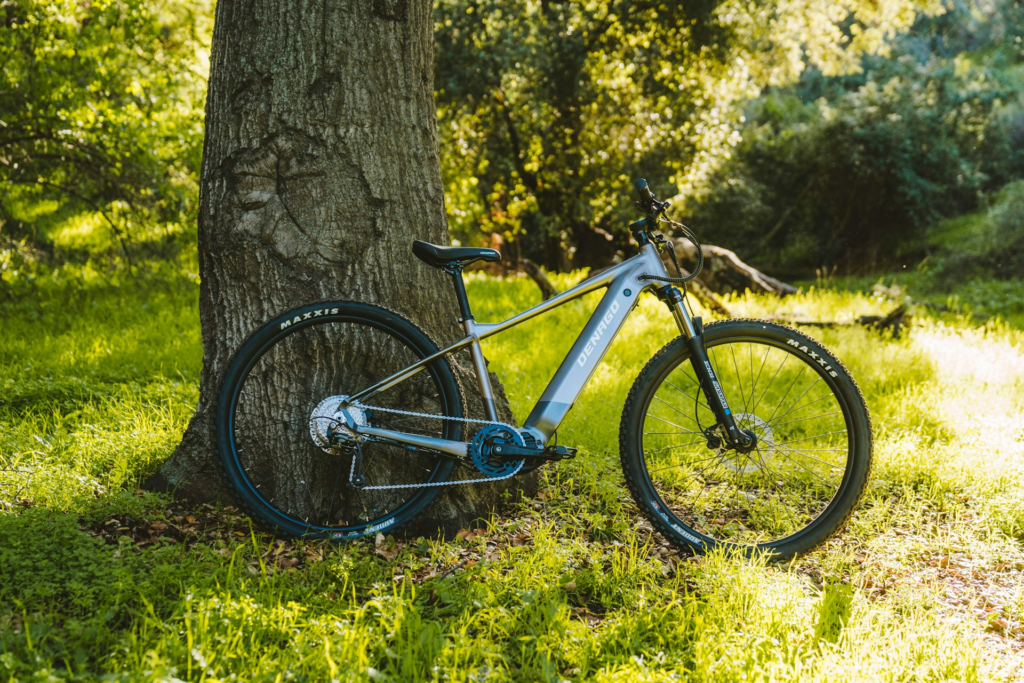
    E-bikes – or eMTBs – have a motor that assists your pedalling, and they’re absolutely brilliant fun. They come in all the same categories as regular mountain bikes (XC, trail, enduro) but with a battery and motor that help you climb faster and ride longer. Don’t think of them as “cheating” – you’re still pedalling and working hard, but you can tackle steeper climbs, ride with faster mates, or simply fit in more descents per ride. They’re heavier than regular bikes (usually around 20-25kg) and more expensive, typically starting around £2,500 for entry-level models. But if you want to explore more terrain, recover from an injury whilst staying active, or just have more fun without being completely knackered, an e-bike might be perfect. The battery range varies, but most give you 2-4 hours of riding depending on how much assistance you use.

    Let’s Talk About Budget

    Money matters, so let’s be real about what you can expect at different price points.

    Under £500: You’re looking at basic hardtail mountain bikes or entry-level hybrids. These work fine for casual riding on easy trails and cycle paths. But they’ll have heavier frames and basic components. Perfect for getting started or very occasional riding.

    £500-£1,000: This is where things get interesting. You can find decent hardtail mountain bikes with better components. Some entry-level full-suspension bikes appear at the top of this range. This is a solid budget for beginners who want a bike that’ll grow with them.

    £1,000-£2,000: Now you’re in the sweet spot for quality trail bikes. You’ll find good full-suspension bikes with reliable components. These bikes will handle real mountain biking well. Most recreational riders will be happy in this range.

    £2,000-£4,000: This is where serious mountain bikers live. You get lighter frames, better suspension, and components that perform really well. Trail and enduro bikes in this range are fantastic. If you’re riding regularly and know you love it, this investment makes sense.

    £4,000+: High-end territory. Carbon frames, top-tier suspension, premium components. The bikes are noticeably lighter and perform better. But the improvements are incremental. These are for serious enthusiasts and racers who want the best.

    Don’t forget ongoing costs! Budget for a helmet, gloves, and pedals right away. Over time you’ll want spare tubes, a pump, and basic tools. Plan to spend another £200-£400 on essential kit when you get your bike.

    So what bike should you actually get?

    Here’s a friendly decision framework to help you out:

    Start with where you’ll ride. Do you have mountain bike trails nearby? Are they smooth and flowy or steep and gnarly? Do you live near a bike park? Your local terrain is your best guide.

    Think about what gets you excited. Does the challenge of a tough climb make you happy? Do you daydream about bombing down technical descents? Or do you just want to explore trails and enjoy being outside? Follow your excitement.

    Consider your experience level. If you’re new to mountain biking, start with a trail bike. It’ll let you explore everything before you specialize. If you’re experienced and know exactly what you love, go for the bike that matches your passion.

    Set a realistic budget. Be honest about what you can spend. Remember that a £1,500 bike you can afford is way better than a £4,000 bike that stresses you out financially. You can always upgrade later.

    Be honest about reality versus fantasy. We all imagine ourselves doing epic rides. But what will you actually do most weekends? Choose the bike for your real riding, not your imagined riding. You’ll be much happier.

    The Bottom Line

    The best bike is the one that makes you want to ride. Not the one that looks coolest, or what your buddy rides or even the most expensive one. The one that matches your actual riding style and makes you smile.

    For most people getting into mountain biking, a trail bike is the perfect starting point. It’s versatile enough to let you try everything. As you ride more, you’ll discover what you love most. Then you can get more specific with your next bike.

    But here’s the real secret: any bike is better than no bike. Start with something that fits your budget and local trails. Then get out there and ride. Your experience will naturally guide you toward your perfect bike over time.

    So what bike should you get? Honestly, get the one that makes you excited to wake up early on Saturday morning and go ride. That’s the right bike.

  • Hardtail vs Full Suspension Mountain Bikes

    Which is right for you?

    Choosing between hardtail vs full suspension mountain bikes is a big decision. Both designs have fans for good reason. Each type works best in different situations. Whether you’re new to mountain biking or adding another bike to your collection, understanding these two designs will help you choose wisely.

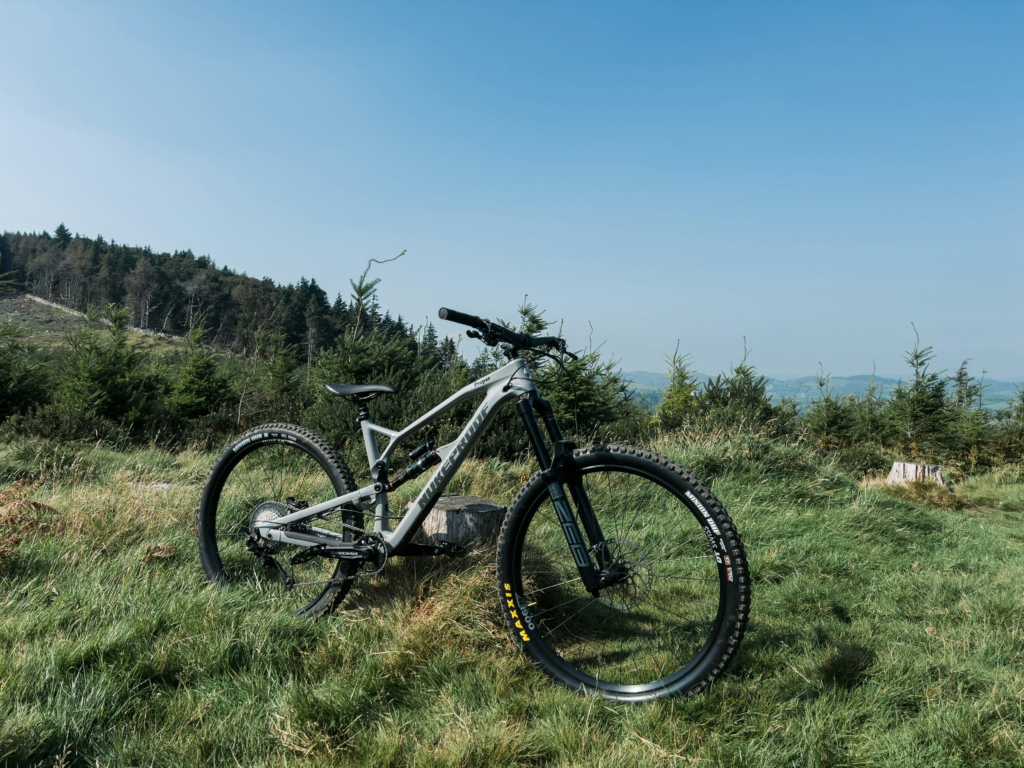
    Full Suspension Mountain Bike

    What’s the Difference between Hardtail vs Full Suspension?

    Let’s start with the basics. A hardtail mountain bike has front suspension (a fork) but no rear suspension. The frame is simple. It’s a traditional frame design with a suspension fork on the front. A full suspension bike has both front and rear suspension. It has a rear shock and a frame built with pivots. These pivots let the rear wheel move and absorb bumps. Let’s go into the specifics of hardtail vs full suspension mountain bikes.

    Hardtail Mountain Bike

    Hardtail Mountain Bikes

    The Good Points

    You get more for your money – This is the hardtail’s biggest selling point. Without expensive rear suspension parts, you get a better bike for less money. A £1,500 hardtail will have much better parts than a full suspension bike at the same price. You’ll get a better drivetrain, brakes, and fork. For riders on a budget, this means you don’t have to compromise on the important parts.

    Simple and reliable – Fewer moving parts mean fewer problems. There’s no rear shock to service. No suspension pivots to maintain. No linkage bearings to worry about. This makes hardtails great for riders who want to ride more and wrench less. Maintenance is simple. Look after your fork, keep your drivetrain clean, and you’re sorted.

    Better for climbing – Hardtails shine when you’re climbing. When you’re grinding up a steep climb or powering along fire roads, the rigid rear end helps. Without rear suspension, all your pedalling power goes into moving forward. There’s no energy loss from suspension movement (called “pedal bob”). You’ll often pass full suspension riders on long climbs.

    Lighter weight – Without a rear shock and extra frame parts, hardtails are lighter. They’re typically 1 to 2 kilograms lighter than similar full suspension bikes. You’ll notice this when carrying your bike upstairs, lifting it over obstacles, or speeding up out of corners.

    Builds your skills – Learning on a hardtail teaches you a lot. Without rear suspension to smooth out mistakes, you learn better line choice. You learn to shift your weight properly. You master techniques like manuals and pumping terrain. Many pro riders say their hardtail days built the skills that made them faster.

    Cheap to run – Over time, the savings add up. A full suspension bike needs a rear shock service every 50 hours of riding. That costs £100 or more. Plus regular pivot bearing maintenance. A hardtail’s running costs are minimal. This makes them brilliant for riders who ride a lot or want to save money.

    The Bad Points

    Rougher ride – Here’s the trade-off. Without rear suspension, every root, rock, and bump goes straight through the frame to your body. On rough, technical trails, this can be hard going. Your arms, hands, and lower back absorb all the impacts. After several hours on rough trails, you’ll definitely feel it.

    Less grip on technical descents – When trails get really rough, a hardtail’s rear wheel bounces over obstacles. It doesn’t track smoothly. This means less control and confidence. The rear tyre spends less time touching the ground. You get reduced braking and cornering grip when you need it most.

    Not for all terrain – Hardtails are capable bikes, but they have limits. Want to ride the local bike park? Tackle black-graded downhill runs? Ride extremely technical terrain? A hardtail will hold you back. They’re not designed for the most aggressive riding.

    You get tired faster – The constant buzz and vibration from rough trails takes its toll. On longer rides with sustained technical sections, you’ll tire more quickly. This fatigue affects your concentration and bike handling. You might make more mistakes later in the ride.

    Full Suspension Mountain Bike

    Full Suspension Mountain Bikes

    The Good Points

    More comfortable – The rear shock absorbs trail chatter and bigger impacts. Comfort improves dramatically. You can ride longer and tackle rougher terrain. You’ll finish your rides feeling fresher. For riders who do big days or all-day rides, this comfort factor matters.

    Better grip and control – The rear wheel stays on the ground over rough terrain. Full suspension bikes provide better grip for braking, cornering, and climbing technical sections. The rear tyre tracks obstacles instead of bouncing over them. You get more control and confidence, especially on descents.

    Faster on rough descents – When the trail goes downhill and gets rough, full suspension bikes excel. You can carry more speed through technical sections. The suspension absorbs impacts for you. This lets you focus on line choice and bike control. You’re not just hanging on.

    Does everything – A good full suspension bike is versatile. It’ll handle your local trails, weekend trail centre visits, and alpine holidays. This versatility makes them excellent for riders who want one bike for everything.

    Easier on your body – For riders with back, wrist, or joint problems, full suspension makes a real difference. The improved comfort can be the difference between enjoying mountain biking and giving it up. The suspension absorbs impacts that would otherwise stress your body. This makes the sport more accessible long-term.

    More confidence – When you know your bike can handle anything, you ride with more confidence. This often means faster riding and more fun. You’re not constantly worrying about whether your bike is up to the task.

    The Bad Points

    Much more expensive – Quality rear suspension systems cost a lot. You’ll typically need to spend at least £2,000 for a decent full suspension bike. Budget full suspension bikes often make compromises that hurt performance.

    More maintenance – Rear shocks need regular servicing. Typically every 50 to 100 hours of riding for a basic service. You need a more thorough overhaul annually. Suspension pivots need checking and occasionally replacing. This adds up in time and money. You’ll need to be diligent about maintenance or pay for professional servicing.

    Extra weight – Those extra parts add up. Even high-end full suspension bikes are noticeably heavier than similar hardtails. You’ll feel this extra weight on climbs and when moving the bike around.

    Less efficient pedalling – Modern suspension designs have largely fixed this problem. But some energy is still lost to suspension movement when pedalling. Many riders use the shock’s lockout feature for smooth climbs and fire roads.

    More can go wrong – More complexity means more potential problems. Seized pivots, blown seals, or a failed shock can end your ride. Quality suspension is generally reliable, but the extra complexity is worth considering.

    Making Your Choice between Hardtail vs Full Suspension

    Choose a hardtail if you mainly ride cross-country terrain, smooth singletrack, or gravel paths. They’re brilliant for riders on a budget who want quality parts. Great for those who value simplicity and low maintenance. Perfect for anyone focusing on fitness and climbing. Hardtails are also excellent for developing your skills or if you enjoy a direct connection to the trail.

    Choose full suspension if your local trails are rough and technical. If you prioritise descending and comfort. If you want maximum versatility from one bike. They’re right for all-mountain and enduro riding, bike park visits, or if you’re willing to invest in a higher-end bike. Full suspension is also worth it if you have any physical issues that benefit from a more comfortable ride.

    Many experienced riders end up with both types. They use each for its strengths. There’s no universally correct answer. Just the right bike for your needs, riding style, and local trails. Think about where you’ll ride 80% of the time. Let that guide your decision on hardtail vs full suspension mountain bikes. Both hardtails and full suspension bikes can provide years of brilliant riding.