

A dropper post was once the kind of thing you’d only find on £3,000+ mountain bikes, the sort of premium feature that made you jealous when you saw it on someone else’s ride. Now it’s the single upgrade that most transforms how you ride a mountain bike. If you’re riding anything resembling proper trails and you don’t have one, you’re fighting your bike on every descent.
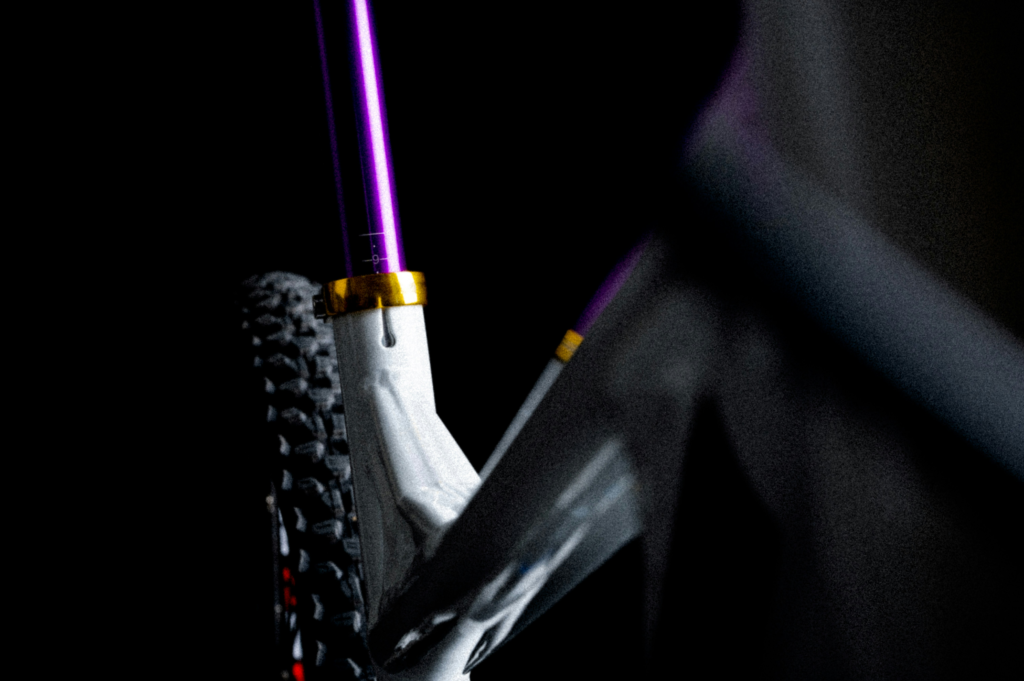
A dropper post is essentially a telescoping seatpost that you control with a lever mounted on your handlebar. Press the lever, apply your weight and the saddle drops out of the way. Press again without your weight and the saddle comes back up. Simple concept, but the riding difference is profound. This isn’t about convenience or looking pro. It’s about capability and confidence. Your saddle at climbing height is perfect for pedaling efficiency but becomes a dangerous obstacle the moment you point downhill. A dropper post means you can have both: saddle up for the climbs, saddle down for the descents, all without stopping or reaching down to fumble with a quick release.
This guide covers when you genuinely need a dropper post, when you can skip it, and why bikes that include them as standard are offering far more value than you might realise.
What Actually Is a Dropper Post?
At its core, a dropper post is a seatpost with internal cartridge that allows it to telescope up and down. You control it via a lever on your handlebar, usually positioned where your thumb naturally rests. Press the lever, sit on the saddle slightly applying pressure, and it drops. Press the lever again with your weight out the saddle and it springs back up to your preset height.
The mechanism can be cable-actuated (like a gear shifter) or hydraulic (like a brake). Cable is perfectly adequate and easier to service. Hydraulic is smoother but more expensive and harder to bleed if problems arise. Most riders won’t notice the difference.
The physical difference between riding with your saddle up versus down on a descent is stark. Imagine trying to navigate technical terrain, rocks and roots coming at you, while sitting bolt upright with a saddle jammed into your inner thighs. You can’t shift your weight back. You can’t get low. You’re perched on top of the bike rather than moving with it. Modern slack trail geometry expects you to move around on the bike, shifting weight behind the saddle on steep sections. You simply can’t do this with the saddle in the way.
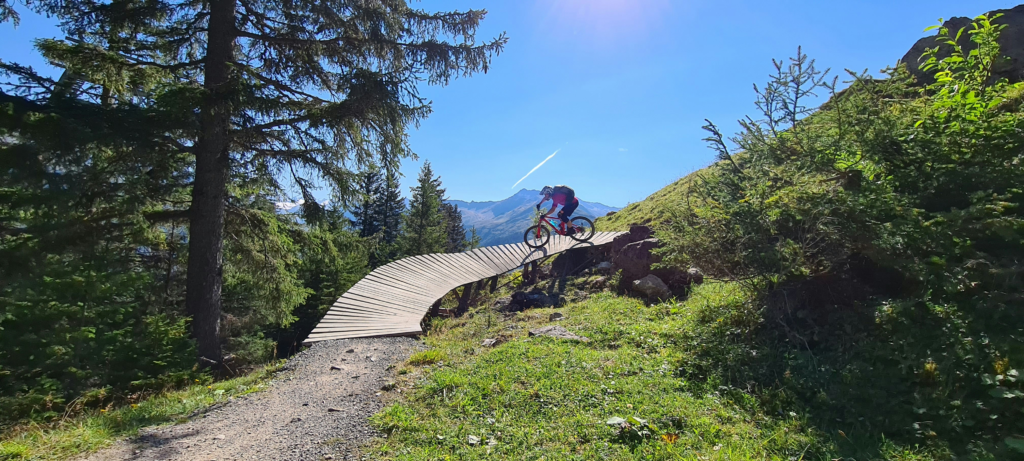
Dropper posts used to cost £300-500 as an aftermarket upgrade. Premium ones from Fox or RockShox would push toward £400. They were aspirational purchases. Now they’re increasingly standard on mid-range bikes, which has completely changed the value equation when comparing what different bikes offer at the same price.
When You Absolutely Need a Dropper Post
If you ride proper trails with any kind of descent, you need a dropper post. This isn’t gatekeeping or elitism. It’s just reality. Any trail with rocks, roots, drops, or genuinely steep sections becomes dramatically easier and safer with your saddle out of the way. The saddle position that’s efficient for climbing is actively dangerous for descending anything technical.
Modern trail bike geometry is designed around the assumption that you can move your weight back and low on descents. A 66-degree head angle and long reach make sense when you can shift behind the saddle. They’re uncomfortable and unstable if you’re stuck sitting on it. You’re trying to ride a bike that’s geometrically designed for a riding position you can’t achieve.
If you want to progress your riding skills, a dropper post stops being optional. Manuals, wheelies, and jumps all require the saddle to be out of the way. Cornering technique improves dramatically when you can drop your weight and lean the bike beneath you. You can only ride to the level your equipment allows, and riding without a dropper artificially caps your capability. You’ll plateau not because you lack skill but because you’re mechanically prevented from executing proper technique.
If you ride anything described as “trail,” “enduro,” or “all-mountain,” the bike categories themselves assume dropper posts now. These aren’t XC race bikes where you’re seated and pedaling 95% of the time. They’re bikes built for varied terrain, and varied terrain means descents. The geometry is designed around being able to move your body position dynamically.
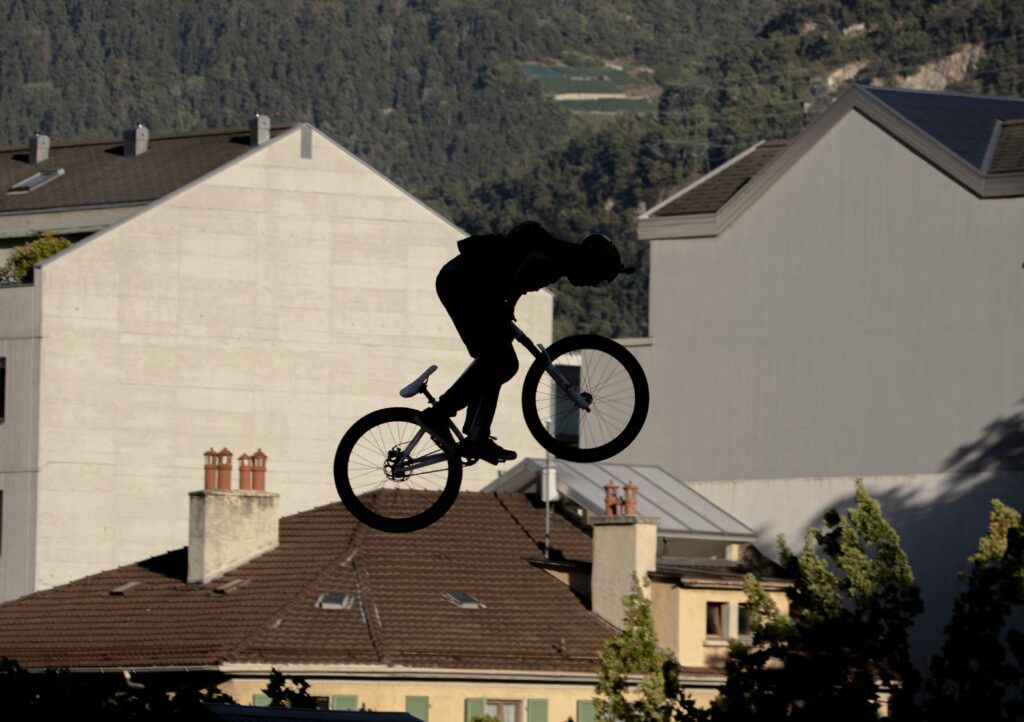
If you ride bike parks or jump lines, a dropper post is non-negotiable. This is a safety issue as much as a performance one. You cannot safely session jumps or drops with your saddle at pedaling height. It’s not just harder, it’s asking to be injured when you inevitably catch the saddle on your inner thigh or get bucked forward over the bars.
The first ride after adding a dropper post is revelatory for most people. Sections you’d been walking for months suddenly become rideable. It’s not that you improved overnight. You just stopped fighting your bike.
When You Don’t Actually Need a Dropper Post
Pure XC racing on smooth trails is the main exception. If you’re literally never descending anything technical, if your riding is fire roads and flow trails where you’re seated and pedaling constantly, a dropper post is unnecessary weight. XC racers prioritise weight savings and climbing efficiency over descending capability, and that’s a legitimate choice for that specific type of riding.
Casual riding on towpaths, gravel trails, or completely flat terrain doesn’t need a dropper post either. If your “mountain bike” never actually sees mountains or proper trails, if it’s essentially a rugged commuter, save the money. There’s no point spending on capability you’ll never use.
Very limited budgets create harder decisions. If you’re choosing between a £600 bike with a dropper post but terrible fork and drivetrain versus a £600 bike with better core components but no dropper, the better core bike might be the right choice. You can add a dropper later. You can’t easily replace a frame or fork. But this is genuinely a tough choice, and it’s worth understanding the full cost before you commit.
The Cost Reality: New Bikes vs Aftermarket
Here’s where the value conversation gets uncomfortable for people who bought bikes without dropper posts. Adding a quality dropper post aftermarket is expensive in ways that aren’t immediately obvious.
A decent dropper post costs £150-250. Cheap ones under £100 exist, but they’re often unreliable. They stick, they fail to return, they develop play. You end up replacing them anyway. The reliable brands are OneUp, PNW, RockShox, Fox, and Brand-X. These start at £150 and go up quickly.
Installation costs £30-50 if you’re not confident doing it yourself, and dropper posts can be fiddly. Internal routing in particular requires feeding cables through the frame, which ranges from straightforward to genuinely difficult depending on your frame design. You may need to buy a compatible remote lever if your current one won’t work, adding another £20-40.
Total cost for a quality aftermarket dropper setup: £200-320 realistically.
Bikes that include dropper posts from the factory offer crazy value because the manufacturer’s bulk pricing means they’re getting that component far cheaper than you can buy it retail. They’re adding maybe £50-80 to their cost, but you’d pay £200+ to add it yourself. The dropper is already installed, routed correctly, with a lever that’s properly positioned. It’s under warranty. You just ride.
This creates a fascinating value comparison. Take two bikes both priced at £950. Bike A has no dropper post. Bike B includes a dropper post. Bike B isn’t £50 more expensive than Bike A. It’s actually offering about £200 more value. If you bought Bike A and added a quality dropper, you’d spend £1,150 total for the same capability Bike B gives you at £950.
This is why component spec matters so much when comparing bikes at the same price. Two bikes at £950 absolutely are not equal if one includes a dropper and one doesn’t. The dropper-equipped bike is either skimping elsewhere to hit the price, or it’s offering genuinely exceptional value.
What to Look for in a Dropper Post
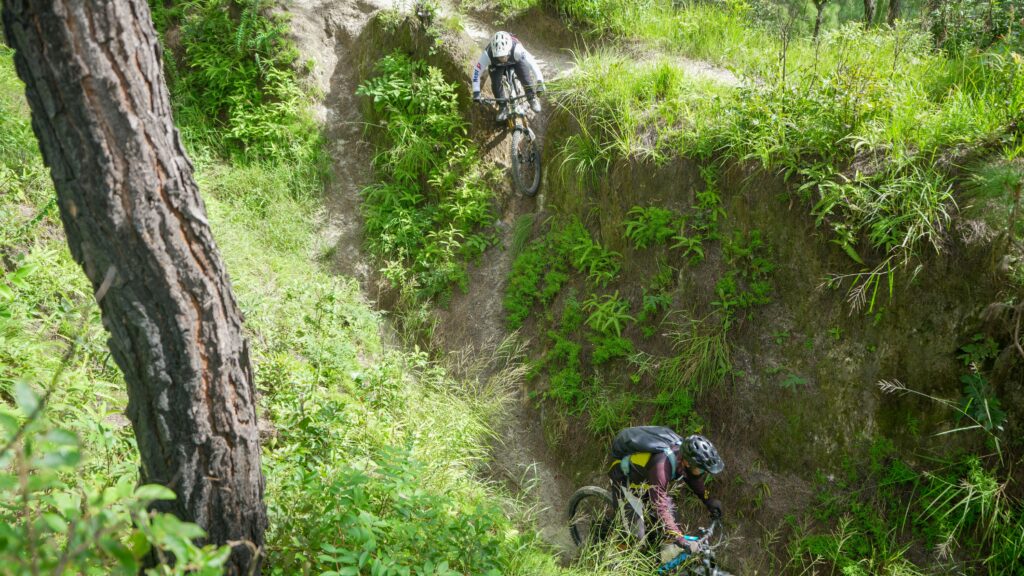
Travel is the key spec. This refers to how far the post drops. 125mm is the minimum for trail riding. 150mm is better for aggressive riding. More travel gives you more room to move, which translates to more confidence on steep terrain. Your frame and riding style determine what you can fit and what you need.
Actuation type matters less than reliability. Cable actuation is fine and works well on most quality posts. Hydraulic is smoother and requires less force at the lever, but it’s more expensive and harder to service when problems arise. Most riders genuinely won’t notice the difference in normal riding.
Reliability is where brand reputation matters. OneUp, PNW, RockShox, and Fox are proven. Brand-X (Wiggle’s house brand) offers decent budget options. Unknown Amazon brands are false economy. A dropper post that sticks halfway through a descent or won’t return is worse than no dropper at all.
Routing can be internal or external. Internal looks cleaner and protects the cable better, but it’s harder to service and install. External routing is easier to work on but more exposed to damage and muck. Neither is definitively better, but internal is becoming standard on modern bikes.
Lever position should let you actuate the post with your thumb without moving your hand from the grip. This sounds obvious but poorly positioned levers are surprisingly common on cheaper bikes. You need to be able to drop the post while maintaining full control of the bike.
The Upgrade Path Reality
Many riders convince themselves they’ll buy cheaper without a dropper, then add one later if they decide they need it. This approach costs more money and limits your riding unnecessarily.
Here’s what actually happens. You buy the bike without the dropper, telling yourself you’ll see if you need it. You ride for a few weeks or months on proper trails. You realise very quickly that you want the saddle out of the way on descents. You research dropper posts, get sticker shock at £200-300, wait a bit longer. Eventually you buy one, spend the money, deal with the installation hassle. Your “cheaper” bike now cost more than buying one with a dropper included from the start. You’ve spent months riding without a dropper, learning bad habits and limiting your progression, all to save money that you didn’t actually save.
The better approach is simple: buy the bike with the dropper included, even if it costs £50-100 more upfront. You save money overall because you’re not paying aftermarket prices. You learn proper technique from day one because you can actually execute it. There’s no upgrade hassle, no installation concerns, no compatibility research. You just ride.
The exception is if you’re genuinely unsure about your commitment to mountain biking. If this might be a bike you ride three times then leave in the shed, start cheaper and accept the limitations. But if you’re serious about trail riding, if you’re committed to actually using this bike properly, factor the dropper into your budget from the start. Trying to save £100 by skipping it will cost you £200 later.
Real-World Benefits: What Actually Changes
The confidence shift on descents is the most immediate difference. You can get behind the saddle on steep sections, weight distributed properly, arms and legs acting as suspension. This isn’t a subtle improvement. Features you’d been walking become rideable immediately because you’re not fighting the bike’s geometry anymore.
Cornering transforms completely. Proper cornering technique requires you to weight the outside pedal, drop your weight, and lean the bike beneath you. You cannot do this with the saddle at climbing height. It’s physically in the way. Drop the saddle and suddenly you can corner the way technique articles describe, the way you see good riders doing it. Your speed through turns increases not because you got better but because you’re mechanically able to execute the technique.
Technical sections become manageable rather than terrifying. Roots, rocks, drops, anything that requires dynamic body position suddenly works because you have the freedom to move. When the trail kicks you upward, you can absorb it through your legs rather than getting bucked forward into the bars. The saddle stops being an obstacle and becomes irrelevant, which is exactly what you want.
Jump progression requires a dropper post. Any air time at all demands the saddle be out of the way. This is safety and progression both. You cannot safely session even small jumps with your saddle at pedaling height. You’ll catch it on your inner thigh, you’ll get thrown forward, you’ll land awkwardly. A dropper post isn’t optional for jump progression. It’s the baseline requirement.
All-day riding becomes less fatiguing because you’re using the right tool for each section. Saddle up for the climbs where you want pedaling efficiency. Saddle down for the descents where you need freedom of movement. The transition is instant at the press of a lever, no stopping to adjust anything. This sounds like a small convenience but it’s the difference between riding fluidly and constantly compromising.
How to Actually Use a Dropper Post
Drop the saddle any time you’re going downhill, not just on steep descents. Even mild downhill sections benefit from having the saddle out of the way. The tendency is to think “this isn’t steep enough to need it,” but that’s wrong. If you’re going down and not pedaling, drop it.
Timing matters more than you’d think. Drop the saddle before the descent, not halfway down when you realize you need it. You want the saddle down before you’re in the technical section, not fumbling with the lever while navigating rocks. This becomes automatic with practice but requires conscious attention at first.
Lever position is crucial and often overlooked. The lever should sit where your thumb rests naturally. If you’re reaching for it, twisting your hand, or consciously thinking about lever position, it’s wrong. Small adjustments make huge differences here.
The first few rides can feel strange, an extra thing to think about. This is normal. After a handful of rides it becomes completely automatic, as natural as changing gears. Don’t judge the dropper post on the first ride when everything feels weird.
Common mistakes include forgetting to raise the saddle after a descent, so you’re pedaling seated with the saddle at minimum height. This is uncomfortable and inefficient. The flip side is not dropping the saddle enough – leaving it halfway doesn’t help much. If you’re descending, drop it fully. And the most common mistake is waiting until you’re in the middle of a technical section to realize you should have dropped it earlier. Think ahead, drop before you need it.
The Bottom Line
A dropper post stopped being a luxury somewhere in the past five years. It’s fundamental to how modern mountain bikes are designed and ridden. The geometry expects it. The riding style requires it. Trying to ride proper trails without one is fighting the bike constantly.
When you’re comparing bikes at the same price, the presence or absence of a dropper post represents about £200 of real-world value difference. A bike that includes a quality dropper at £950 is offering significantly more value than a bike without one at the same price, assuming the rest of the spec is comparable. You cannot ignore this component when evaluating what you’re getting for your money.
Don’t make the mistake of buying without a dropper, planning to add one later if you need it. You will need it. You will spend more money than if you’d bought a bike with one included. You’ll limit your riding unnecessarily while you convince yourself you don’t need it, then while you save up for it, then while you research which one to buy.
If you’re serious about trail riding, make the dropper post a non-negotiable feature when shopping for bikes. Right now, clearance deals mean you can get bikes that include premium components like dropper posts at prices that normally wouldn’t include them.
This is one component where the “I’ll upgrade later” approach costs you more money and limits your riding capability in the meantime. Buy the bike with the dropper. You’ll thank yourself on the first proper descent.